
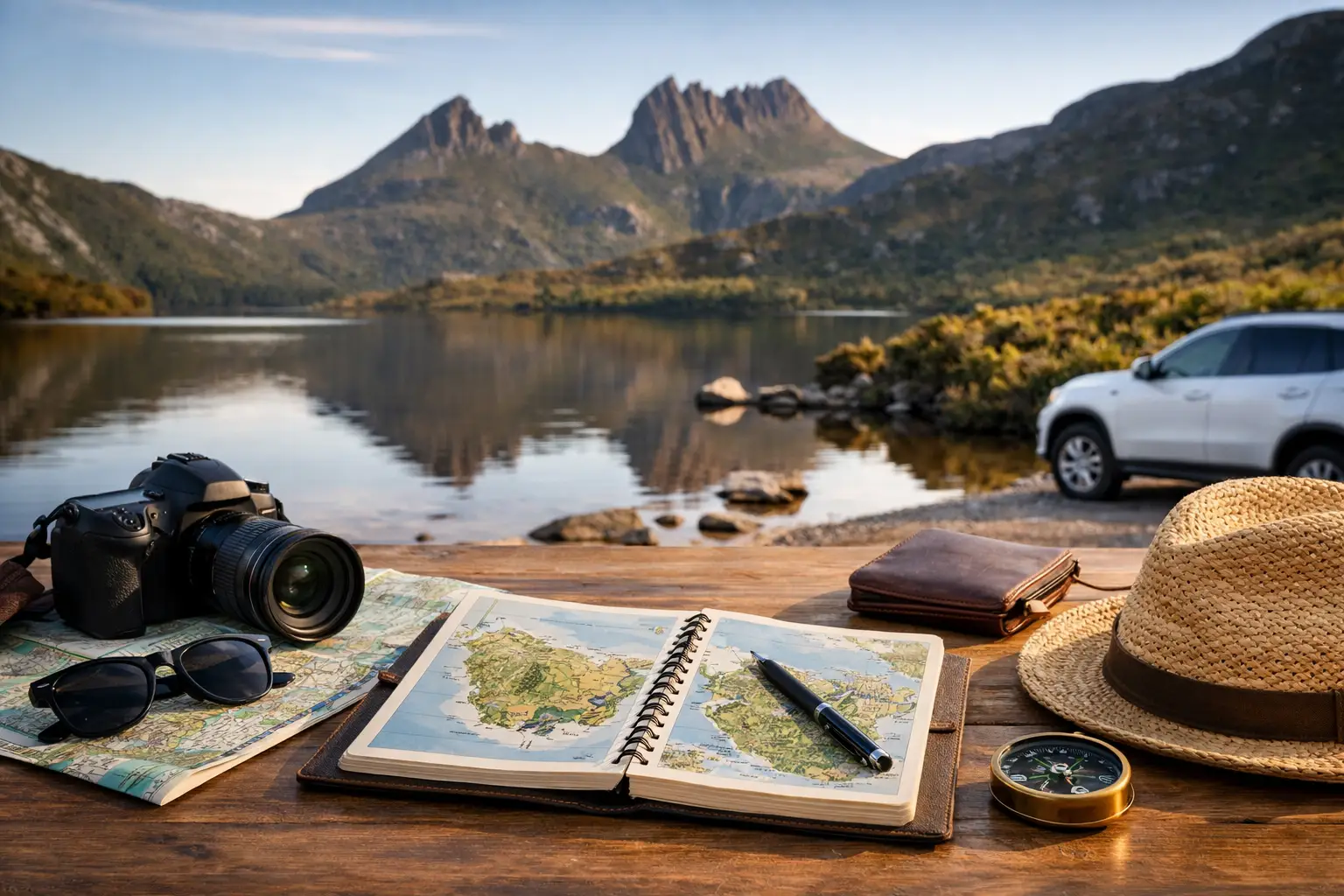
The difference between a pleasant Tasmanian holiday and an unforgettable one often comes down to pace. A well-crafted Tasmania private tour itinerary example is not about squeezing in every landmark – it is about seeing the right places at the right time, with room for long lunches, quiet lookouts, and those spontaneous detours that become the highlight of the trip.
For travellers who value privacy, comfort and a more personal connection to place, a private itinerary works beautifully because Tasmania rewards curiosity. Distances can look short on a map, yet the island reveals itself best when there is no rush to move on from a cellar door, a coastal walk or a conversation with a local maker. That is where a thoughtfully planned private journey feels less like transport and more like being hosted.
A Tasmania private tour itinerary example for 4 days
This example is designed for travellers staying in or arriving via Hobart and wanting a premium overview without the strain of self-driving. It balances heritage, food and wine, wilderness, and scenic coastal experiences, while keeping each day comfortably paced. It can be adjusted for couples, small groups, or multi-generational travellers who may prefer shorter walks and longer lunches.
Day 1: Hobart, Mount Wellington and the Huon Valley
Your first day is best spent easing into Tasmania rather than racing straight into a long regional transfer. Begin with a gentle introduction to Hobart through its historic streets, waterfront atmosphere and key heritage stories. In a private format, this works particularly well because the city can be tailored to your interests. One guest may be drawn to colonial architecture, another to food producers, another to local art. A rigid group tour rarely allows for those different rhythms.
From the city, head up kunanyi / Mount Wellington if conditions are clear. The views over the River Derwent, surrounding ranges and the city itself offer the kind of orientation that helps the rest of the journey make sense. If cloud rolls in, this is one of those moments where private touring shows its value. Instead of pressing on for the sake of the schedule, the day can shift toward lower-altitude scenic stops or a longer regional lunch.
By late morning, continue south into the Huon Valley. This region suits travellers who appreciate understated excellence – cool-climate wines, cider, orchard country and a greener, softer landscape than many expect. Lunch here should feel leisurely, not functional. After that, a tasting or two with local producers can be built around preference, whether that means pinot noir, cider, artisan cheese or simply a scenic drive with occasional stops. Return to Hobart in the late afternoon with the evening free.
Day 2: Port Arthur and the Tasman Peninsula
Many visitors see Port Arthur as a box to tick. Done privately, it becomes far richer than that. The drive to the Tasman Peninsula sets the tone, with changing coastal scenery and short interpretive stops that explain the region rather than rushing past it.
At Port Arthur Historic Site, the benefit of a private itinerary is not exclusivity inside the site itself, but how the day around it is shaped. Some travellers want time to absorb the human stories and heritage detail. Others are more interested in the dramatic landscapes nearby. A private day allows both, without the slightly hurried feeling that often comes with larger coach schedules.
The peninsula deserves more than one headline attraction. Depending on energy levels and weather, your day might also include the Tasman Arch, Devil’s Kitchen, the Blowhole or a quiet coastal lookout away from the busiest clusters. Lunch can be simple and scenic or more refined, depending on mood. This is also a good day to keep the evening relaxed back in Hobart, as the stories of the peninsula tend to stay with you.
Day 3: Richmond and the Coal River wine region
After a bigger heritage day, a softer rhythm works well. Richmond offers one of the island’s most photogenic village settings, but the real pleasure is in how easy it feels. Historic buildings, local shops and a slower tempo make it ideal for a morning that does not demand much from you.
From there, move into the Coal River Valley, one of the most accessible and rewarding wine regions near Hobart. This is where a premium private tour becomes especially appealing. Rather than being dropped into a generic tasting circuit, the day can be curated around style and atmosphere. Some guests prefer polished cellar doors and benchmark pinot noir. Others want boutique producers, sparkling wine, farm-gate experiences or a lunch table with vineyard views.
A strong private itinerary leaves enough space for one memorable lunch and two or three excellent visits, rather than trying to fit six stops into a single day. Quality nearly always beats quantity here. If your interests run beyond wine, this region can also include distillery visits, gourmet producers or a scenic extension through rural landscapes before returning to Hobart.
What makes this itinerary feel luxurious, not just private
Luxury in Tasmania is rarely loud. It is more often found in ease, timing and access. Door-to-door travel in a premium vehicle changes the mood of the day immediately. There is no parking to think about, no one missing the scenery because they are watching the road, and no pressure to keep pace with strangers.
Just as important is local judgement. Tasmania is a place where weather, seasonality and even cruise schedules can influence how enjoyable a stop feels. A good private itinerary allows for intelligent adjustments. On a windy day, a long exposed lookout may be replaced with a fireside tasting. On a brilliant clear afternoon, you may choose an extra scenic detour because the conditions are too good to ignore.
That flexibility is not a small detail. It is often the difference between a trip that feels managed and one that feels personally crafted.
How to adapt this Tasmania private tour itinerary example
Not every traveller wants the same version of Tasmania, and that is precisely the point. This sample itinerary is a strong starting framework, but the best results come from shaping it around your priorities.
If food and wine sit at the centre of your holiday, you could reduce heritage time and add a full day in the Derwent Valley or another premium wine-focused route. If wildlife matters more, the itinerary may lean into sanctuaries, coastal habitats and quieter nature experiences. If you are travelling with family, the pacing may become gentler, with fewer formal tastings and more scenic stops, short walks and relaxed meals.
Accommodation location also matters. Travellers based in Hobart can comfortably enjoy this style of touring as a series of elevated day journeys. Those wanting to see further afield might turn the same approach into a multi-day private road journey with luxury lodgings and region-by-region progression. That option opens up east coast, wilderness and northern highlights, but it needs slightly more time to feel graceful rather than rushed.
When a private itinerary is the better choice
A private tour is not the right fit for every traveller. If your main goal is simply to cover the greatest number of attractions at the lowest cost, a group option may be perfectly reasonable. Private touring earns its value when comfort, discretion, flexibility and depth matter more than speed.
It is particularly well suited to couples celebrating something special, small groups with mixed interests, cruise guests with limited time, and travellers who do not want the friction of self-driving. It also suits those who appreciate being guided by someone who knows which cellar door is worth lingering at, which coastal road is most scenic in afternoon light, and which apparent must-see can quietly be skipped.
For guests seeking that balance of refinement and local authenticity, a service such as VIP Tassie Experiences can turn a general idea into a genuinely personal journey – one that feels composed, relaxed and deeply connected to place.
The best itinerary is rarely the one with the most stops. It is the one that leaves you feeling you have seen Tasmania properly – not as a list, but as a place that welcomed you in.


Experiences
Book a Tour
Plan your tailored Tasmanian journey with ease—reserve your private tour today.


