
Table of Contents
- Why Flexible Day Tours Suit Solo Travelers
- Private Day Tours From Hobart: What Solo Travelers Should Know
- Benefits of Private vs Group Tours for Solo Travelers
- How to Plan a Solo Day Trip: A Step-by-Step Framework
- Solo Travel Safety Checklist for Day Trips
- Solo Travel for Introverts vs Extroverts: Choosing Your Pace
- Making Flexible Day Tours Work for Neurodivergent Travelers
- Conclusion
- Frequently Asked Questions
Last Updated: September 20, 2026
Why Flexible Day Tours Suit Solo Travelers
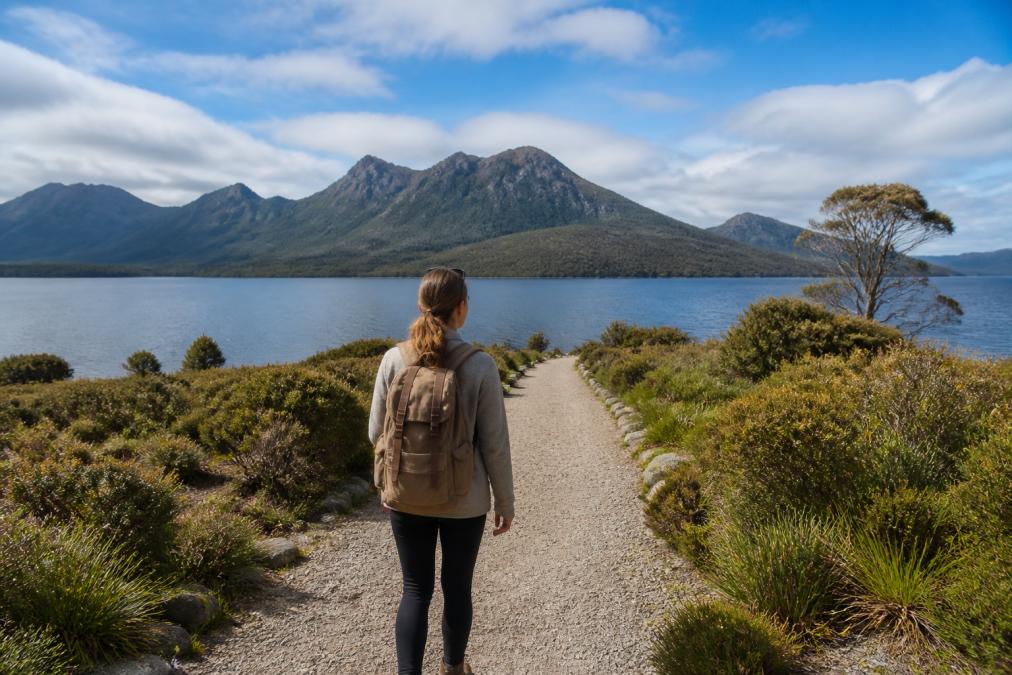
Flexible day tours are private or small-group excursions with adjustable itineraries, timing, and stops, designed around a single traveller or a small party rather than a fixed coach schedule. For solo travellers, that flexibility removes the two biggest friction points of group travel: rigid departure times and someone else’s pace.
The core trade-off with any solo day tour is control versus cost. Private touring buys maximum control; shared small-group departures buy lower cost at the price of some fixed timing. Decide which matters more before you book.
Private Day Tours From Hobart: What Solo Travelers Should Know
Private day tours from Hobart are the most flexible option available to a solo traveller, because the itinerary is built around one person’s interests rather than a fixed route. You choose the departure time, the stops, and how long you stay.
Benefits of Private vs Group Tours for Solo Travelers
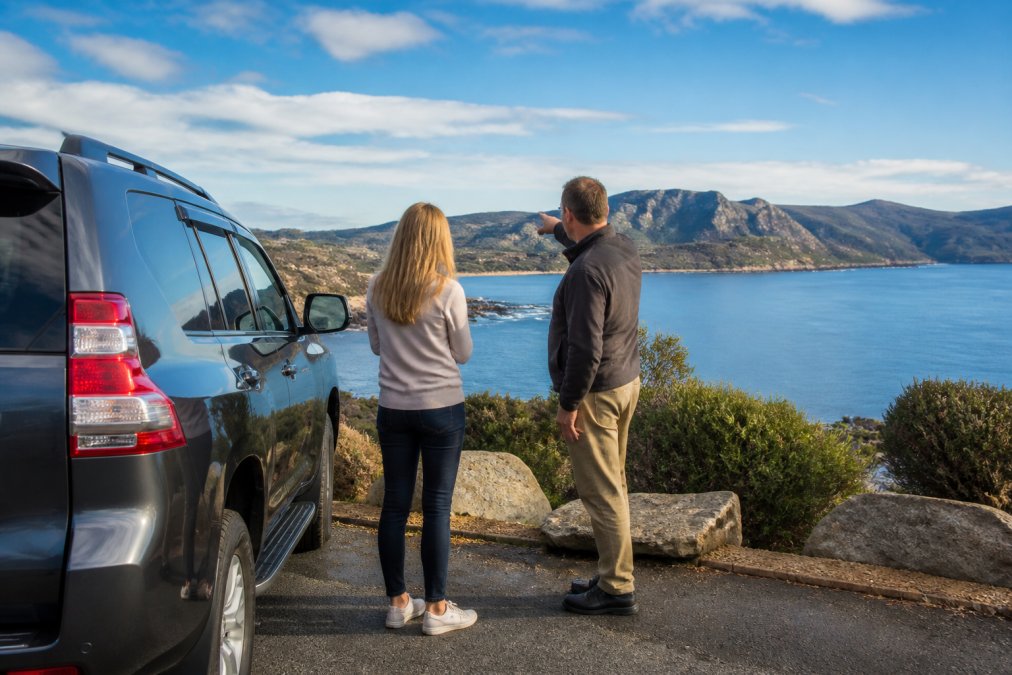
Private tours win on flexibility, pace, and access. Group tours win on price and, for some travellers, on company. The right choice depends on what you want from the day, and, for solo travellers specifically, on how the operator prices a single seat.
| Factor | Private Tour | Small-Group Tour |
|---|---|---|
| Pace | Fully yours | Set by the group |
| Cost for one | Higher, priced per vehicle | Lower, priced per seat |
| Itinerary | Tailored to you | Fixed route |
| Social contact | Minimal unless you want it | Built in |
| Flexibility | High | Limited |
| Single supplement | Not applicable, you are the whole booking | Sometimes applied on multi-day products; rarely on day tours |
| Cancellation terms | Often stricter, because the vehicle is held for you | Usually more flexible, because seats resell |
The Single Supplement, Explained for Day Tours
The single supplement is the surcharge some operators add when one traveller occupies a room or a seat that could otherwise be sold to two. It is a multi-day accommodation problem far more than a day-tour problem. On a day tour there is no room to fill, so the supplement usually does not apply, what you pay instead is the per-vehicle rate on a private departure, which is a different mechanism with a similar effect on your wallet.
Booking and Payment Mechanics Solo Travellers Should Ask About
Most day-tour operators work to a similar booking pattern, and knowing it lets you compare quotes like for like:
- Deposit vs full payment. Day tours are commonly paid in full at booking, or with a deposit and the balance due a set number of days before departure. Multi-day products are more likely to run a deposit schedule.
- Held seats. A private vehicle is held for you alone, so operators often require firmer commitment earlier. A shared departure can usually take a late booking if seats remain.
- Cancellation windows. Ask for the exact cut-off, commonly expressed in days before departure, and what percentage is refunded inside it. This matters more for solo travellers, who have no second person to absorb a change of plans.
- Payment methods and surcharges. Card surcharges are common in small tourism businesses, and some operators pass them on. Ask whether a direct transfer avoids the fee.
- Travel insurance. Confirm what the operator requires and what your policy actually covers for the activities on the itinerary.
When a Group Tour Makes More Sense
A group tour makes more sense when budget is the priority or when you actively want company. Shared departures suit travellers who would rather not spend a full day alone, and they often include the same local guides and regional knowledge at a lower per-person cost.
Compare quotes on three numbers, not one: the total for a single traveller, the cancellation cut-off in days, and whether the price is per seat or per vehicle. A cheaper headline rate with a strict cancellation window can cost more than a private tour you can move.
How to Plan a Solo Day Trip: A Step-by-Step Framework
Planning a solo day trip comes down to five decisions: where, how you get there, what you book in advance, what you leave open, and how you get back. Work through them in order and the day runs itself.
- Pick one anchor and one optional stop. Overloading a single day is the most common mistake solo travellers make.
- Decide your transport. Private vehicle, shared small-group departure, or self-drive with a guided component.
- Book the fixed elements. Anything with a timed entry or a set departure needs booking ahead.
- Leave slack in the schedule. Build in at least one unscheduled hour.
- Confirm your return plan. Know exactly how and when you get back before you set out.
Budget-Friendly Solo Day Tour Hacks
Budget-friendly solo day touring works by mixing paid and unpaid elements rather than booking everything as a package. A few approaches that consistently help:
- Join a shared small-group departure for the long-distance leg, then explore independently at the destination.
- Book a half-day guided experience instead of a full day, and self-guide the rest.
- Travel outside peak season, when both availability and rates ease.
- Ask operators about joining an existing departure rather than commissioning a private vehicle.
Solo Travel Safety Checklist for Day Trips
Day-trip safety for solo travellers rests on preparation, not luck. A short checklist run before you leave covers almost every risk a single-day outing presents, and because a day trip has a fixed end point, the highest-risk moment is almost always the return leg, not the activity itself.
Before You Leave
- Share your itinerary, the operator’s name, and your expected return time with someone you trust
- Check the forecast for the whole day, not just the morning, conditions can turn in the afternoon
- Carry a charged phone and a backup power bank; note that coverage drops out on many rural and coastal routes
- Confirm your transport back before you start the day, including the last scheduled service if you are relying on one
- Save the operator’s contact number and any after-hours support line
- Check whether your travel insurance covers the specific activities planned, not just the destination
- Avoid unmarked tracks or remote areas when travelling alone
- Keep cash and cards separate in case one is lost
- Tell someone the registration or description of the vehicle collecting you if you booked a private transfer
The Return-Leg Problem
Most solo day-trip mishaps are not dramatic. They are a missed last bus, a phone at 4 per cent battery, or a lift that assumed a different pickup point. Three habits prevent nearly all of them:
- Anchor the day to the return, not the departure. Set a hard “must be heading back” time and work backwards from it when planning stops.
- Have a fallback. Know the second-cheapest way home, a rideshare, a taxi number, or a nearby town with later services, before you need it.
- Check in at the midpoint. A single message to your contact at the halfway point confirms the day is on track and flags a problem early.
Emergency and Support Context
For anything urgent, 000 is the national emergency number for police, fire and ambulance, and it works from any mobile, including one without an active plan, provided there is coverage. The 112 number also reaches emergency services from a mobile. For non-urgent police matters, each state and territory runs its own police assistance line, and the national health advice line, healthdirect, is reachable on 1800 022 222 for non-emergency medical guidance.
Skipping the return-transport check is the mistake that ruins the most solo day trips. If your lift back depends on a service that stops running in the afternoon, confirm the last departure before you commit to a late stop, and remember that a private guide’s vehicle is the one form of transport that will not leave without you.
What Good Operators Do
The practical test of an operator’s safety posture is not what is on their website but what they volunteer. A well-run solo-friendly day tour will confirm your pickup point in writing, give you a direct contact number for the day, brief you on the terrain and any hazards, and have a plan for the return leg. If you have to chase any of those, treat it as a signal about how the day itself will run.
Solo Travel for Introverts vs Extroverts: Choosing Your Pace
The right solo day tour depends less on the destination than on how you recharge. Introverts tend to do better with private touring and independent exploration, while extroverts often get more from small-group adventures where conversation is part of the experience.
Making Flexible Day Tours Work for Neurodivergent Travelers
Flexible day tours suit many neurodivergent travellers precisely because they remove the unpredictable elements that make group travel difficult. A private itinerary means no forced small talk, no waiting in a crowd, and the ability to control sensory load across the day.
Conclusion
Travelling alone does not mean settling for a fixed coach schedule. The flexible day tours covered here give solo travellers the pace, privacy, and local access that group travel rarely delivers.
Frequently Asked Questions
What are the benefits of private day tours for solo travellers?
Private day tours give solo travellers full control over pace, stops and itinerary. You can linger at a winery, skip a crowded lookout, or change plans mid-day without consulting a group. A local guide provides context you would miss alone, and door-to-door transport removes the stress of navigating unfamiliar roads. For solo travellers who value unhurried, personalised experiences over fixed schedules, private flexible day tours often deliver more value per hour than a standard group departure.
Are private tours cost-effective for solo travellers?
It depends on how you measure value. A private tour costs more upfront than a seat on a group bus, but you get a dedicated vehicle, a guide focused entirely on you, and an itinerary built around your interests. If you would otherwise hire a car, pay for parking, and spend hours researching routes, the gap narrows. Pricing depends on duration, distance and inclusions, so request a quote from the operator and compare against your total day-trip spend.
How do I find flexible day tours that cater to individual interests?
Start by shortlisting operators who build itineraries from scratch rather than selling fixed packages. Ask directly: can you adjust the route on the day, how long are stops, and do you work with local producers? Check whether the guide lives in the region. For solo day trips, look for operators who offer a private vehicle option without forcing you into a group. Reviews that mention personalised pacing and off-the-beaten-path stops are a good signal.
What should I look for when booking a bespoke day tour?
Confirm four things before you book. First, itinerary flexibility: can the plan change on the day? Second, guide credentials: are they local, and do they have specific knowledge of your interests? Third, vehicle comfort and size for the distance covered. Fourth, what is included, such as entry fees, tastings and lunch. Also check the cancellation policy and whether the operator provides 24/7 contact support. A short phone call before booking reveals more than any brochure.


Experiences
Book a Tour
Plan your tailored Tasmanian journey with ease—reserve your private tour today.


