
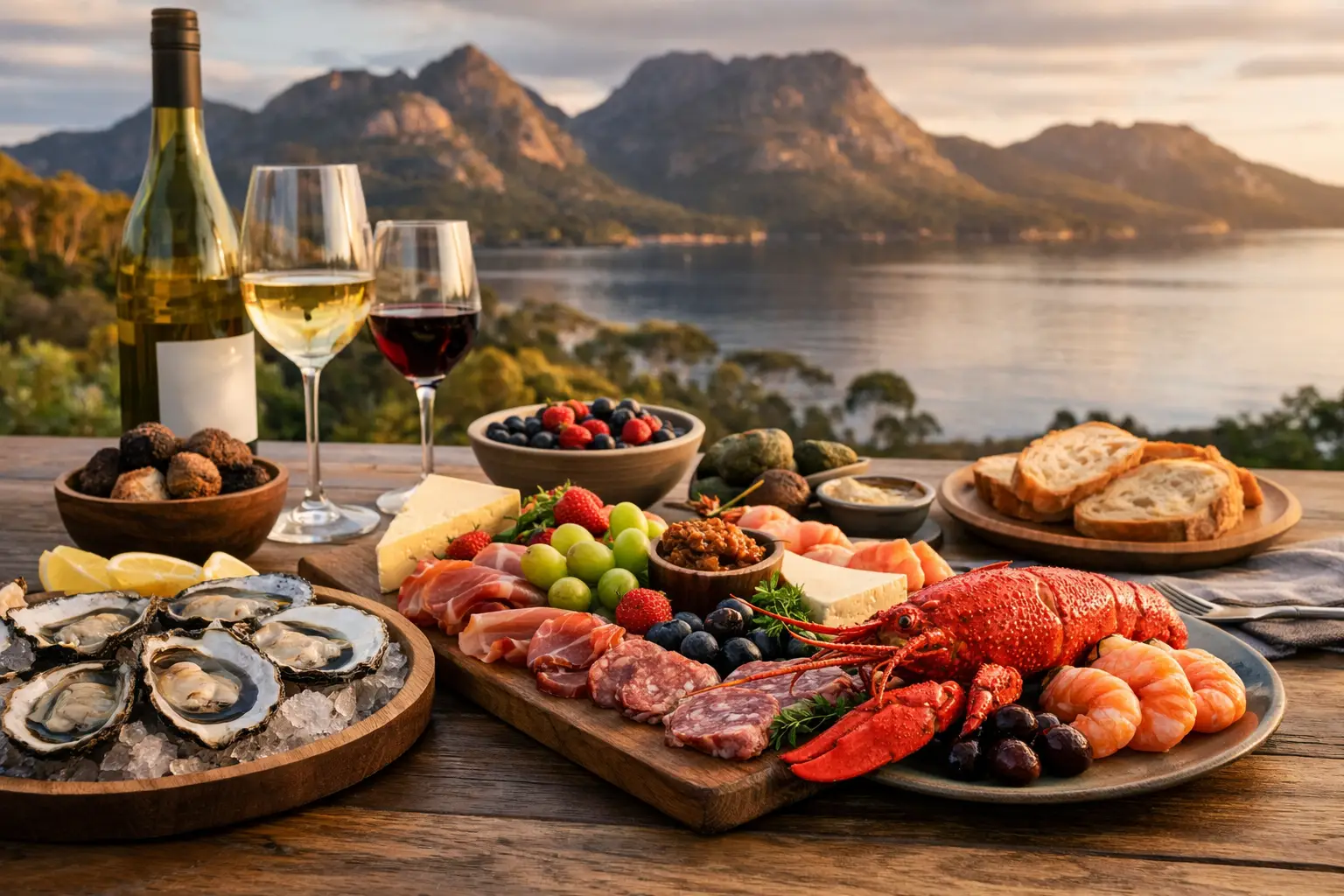
The best meals in Tasmania rarely begin with a menu. They start on a quiet road lined with orchards, at a cellar door where the winemaker is still rinsing glasses, or on a wharf where the morning catch has not traveled farther than the next table. That is what makes a Tasmania gourmet travel guide worth doing properly. This is not a destination for rushing through reservations and ticking off famous names. It rewards travelers who want time, local insight, and the freedom to follow flavor where it actually lives.
For discerning visitors, Tasmania offers something increasingly rare – produce of real provenance, landscapes that shape what ends up on the plate, and makers who still speak personally about what they grow, ferment, harvest, or cure. The island is compact enough to feel accessible, yet varied enough that each region brings a distinct culinary identity. The difference between a good food trip and an exceptional one is knowing where to linger, when to go, and which experiences are best left flexible.
A Tasmania gourmet travel guide starts with region, not restaurant
Many travelers begin by asking where to book lunch or which winery is the most awarded. A more useful question is which part of Tasmania best suits your palate and pace. The island’s food culture is deeply regional, and understanding that geography creates a far more rewarding itinerary.
South of Hobart, the Huon Valley feels generous and grounded. This is orchard country, cool-climate vineyards, cider houses, berry farms, and small producers whose work is shaped by seasonality. The experience here is quieter and more intimate than in busier wine regions elsewhere in Australia. It suits travelers who prefer long lunches, scenic drives, and conversations with people who are still close to the craft.
East of Hobart, the Coal River Valley offers a polished, highly accessible food and wine experience within easy reach of the city. You come here for elegant cool-climate wines, beautifully presented cellar doors, and a sense of refinement without effort. It is ideal for visitors with limited time who still want a premium day built around wine, produce, and impeccable scenery.
Further north and east, the Freycinet area combines coastal beauty with some of Tasmania’s most memorable seafood experiences. Oysters, mussels, crayfish, and pristine sparkling wine make perfect sense in a landscape this clean and dramatic. The trade-off is travel time. If you want Freycinet to feel indulgent rather than hurried, it deserves breathing room.
Then there is Bruny Island, where gourmet travel becomes more tactile and immediate. Cheese, oysters, berries, whisky, chocolate, and smokehouse flavors sit against rugged coastal scenery. It can be extraordinary, but timing matters. Popular periods bring queues and ferry pressure, so private planning makes a significant difference to how relaxed the day feels.
What Tasmania does exceptionally well
Tasmania’s culinary reputation rests on purity, but that word can feel vague until you taste what it means. The seafood is the obvious example. Oysters here are briny, bright, and often served within sight of the waters they came from. Abalone, scallops, mussels, and crayfish carry a freshness that needs very little intervention.
Wine is equally compelling, especially for travelers who appreciate finesse over force. Tasmania’s cool climate is particularly strong in sparkling, pinot noir, chardonnay, and aromatic whites. The best tastings feel personal rather than theatrical. You are often speaking with people who know the site, the season, and the decisions behind each vintage.
Cheese, charcuterie, apples, stone fruit, berries, honey, and artisan spirits also deserve real attention. The island’s scale works in its favor here. Producers are close enough to visit in a single day, yet their output remains small enough to feel special. This is one reason private touring suits Tasmania so well. You can move comfortably between contrasting tastes without losing the sense of intimacy.
How to plan a gourmet itinerary without overfilling it
The temptation in Tasmania is to do too much. Distances can look manageable on a map, and food travelers often want to fit in wineries, lunch, seafood stops, distilleries, and scenic viewpoints all at once. The result is usually a day spent watching the clock.
A better approach is to build each day around one culinary spine. That might mean a wine-led day with a leisurely lunch and one or two artisan stops, or a seafood-focused journey paired with coastal sightseeing and perhaps a late tasting rather than a full second meal. Tasmania rewards appetite, but not excess scheduling.
This matters even more for premium travelers who value comfort as much as access. A beautifully paced day allows room for spontaneous detours, a second glass when the setting warrants it, and those conversations with local makers that often become the highlight. Rigid itineraries miss this entirely.
The private advantage in a Tasmania gourmet travel guide
Food travel becomes more memorable when it feels effortless. That is where private touring changes the experience. Instead of navigating regional roads, coordinating drivers, managing tasting times, and sacrificing flexibility, you can simply stay present.
A well-crafted private itinerary also balances exclusivity with realism. Not every celebrated venue is the right fit for every traveler. Some guests want architecturally striking cellar doors and polished dining rooms. Others prefer hidden farm gates, small-batch producers, and places they would never have found on their own. Often, the best day includes both.
This is also where local knowledge has tangible value. It helps avoid crowded time slots, directs you toward producers whose style genuinely aligns with your preferences, and creates a more seamless rhythm between scenic stops and culinary experiences. For visitors based in Hobart, this can turn a good day out into one that feels quietly exceptional. Brands such as VIP Tassie Experiences understand that luxury in Tasmania is often about access, ease, and the confidence that every detail has been considered.
A sample gourmet rhythm for different travelers
Couples often do best with fewer stops and more atmosphere. A slow morning departure from Hobart, one standout cellar door, a long lunch overlooking vines or water, and a final artisan tasting creates a day that feels indulgent rather than busy. The point is not volume. It is depth.
Small groups of friends may enjoy a little more variety, especially if wine is the anchor. In that case, two wineries, a produce stop, and a memorable lunch can work beautifully, provided travel times stay sensible. Add too many tastings and the experience begins to blur.
Multi-generational families usually need flexibility most of all. One traveler may care deeply about pinot noir, another about seafood, another about scenic photography. Tasmania handles this well because food regions often overlap with wildlife, heritage villages, and coastal viewpoints. The right itinerary can satisfy different interests without feeling compromised.
Cruise visitors and short-stay guests should resist the urge to chase distance. A refined day in the Coal River Valley or the Huon often delivers more pleasure than an ambitious dash to farther regions. If your time is limited, choose quality over mileage.
Seasonal notes that matter more than people expect
Tasmania is a year-round gourmet destination, but each season shifts the mood. Summer brings abundance, color, and long daylight hours. It is excellent for seafood, berries, sparkling wine, and outdoor lunches, though popular routes can be busier.
Autumn is arguably the most quietly satisfying time for food lovers. Vineyards glow, orchards are active, and the weather often suits unhurried touring. Winter adds richness – fireside tastings, darker spirits, deeper reds, and a more contemplative feel. Spring has freshness and optimism, with blossom in the valleys and a sense of the island waking up again.
There is no single best season. It depends on whether you want energy, produce, privacy, or atmosphere. A thoughtful Tasmania gourmet travel guide should account for all four.
What refined travelers often overlook
The most common mistake is assuming luxury means formality. In Tasmania, true premium experiences are often understated. The room may be elegant, but the real luxury is the host who remembers your preferences, the producer who opens something not on the standard tasting, or the lunch table positioned just right because someone understood the pace you wanted for the day.
The second mistake is treating food as separate from place. Here, the two are inseparable. The wine tastes different because of the latitude and the wind. The oysters matter because of the water they came from. The cheese, fruit, and cider make sense because of the valleys and the cold nights. When you travel through Tasmania with that connection in mind, every tasting becomes more vivid.
A gourmet journey across Tasmania should feel personal, never processed. Leave room for a second espresso at the farm gate, for the bottle you decide to linger over, for the scenic detour that turns into the photo you remember years later. On this island, the finest indulgence is not simply eating well. It is being cared for well while you do.


Experiences
Book a Tour
Plan your tailored Tasmanian journey with ease—reserve your private tour today.


