
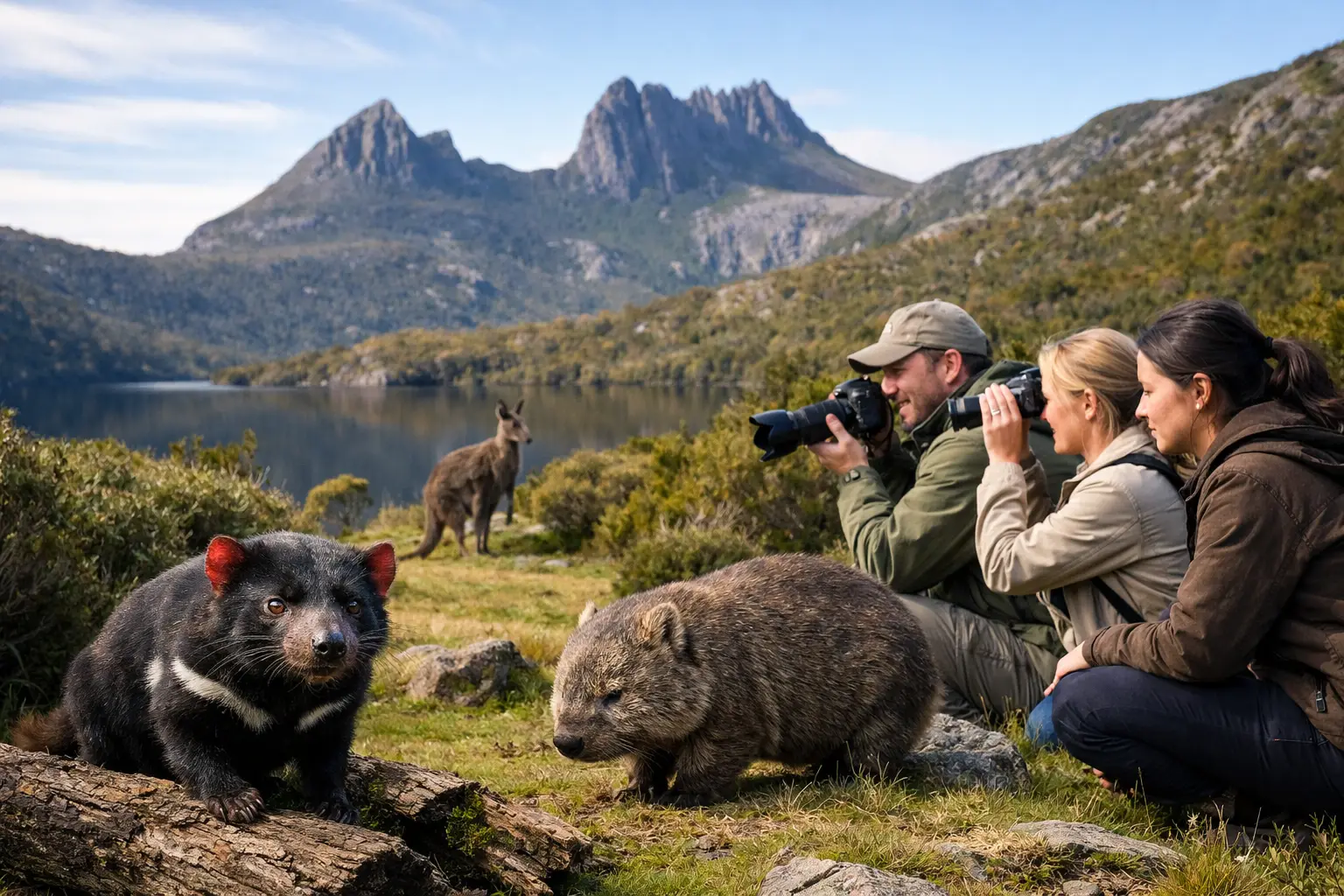
The first wallaby you notice in Tasmania is often not at a formal lookout. It may be standing quietly at the edge of a paddock, ears tilted towards the morning sounds, while mist lifts from the hills. A considered Tasmania wildlife touring guide is less about ticking off animals and more about being in the right place, at the right pace, with enough time to let the island reveal itself.
For travellers who value privacy and comfort, wildlife is best woven into a beautifully paced day rather than treated as a rushed stop between attractions. Tasmania’s native animals are part of the landscape – along quiet country roads, in coastal heath, beneath old-growth forest and, after dark, in places that feel a long way from the usual tourist trail.
Why a private wildlife day changes the experience
Wildlife does not run to a coach timetable. A wombat may appear late in the afternoon, a sea eagle may circle above a remote beach, or a pademelon may linger in ferny forest only when the group has stopped talking and started watching.
That is where private touring has a distinct advantage. Your day can begin when the light is best, pause at a promising sighting, or change direction when weather and conditions suggest a more rewarding route. Rather than being one passenger among many, you have the space to ask questions, take photographs without pressure and enjoy Tasmania without the constant feeling of needing to move on.
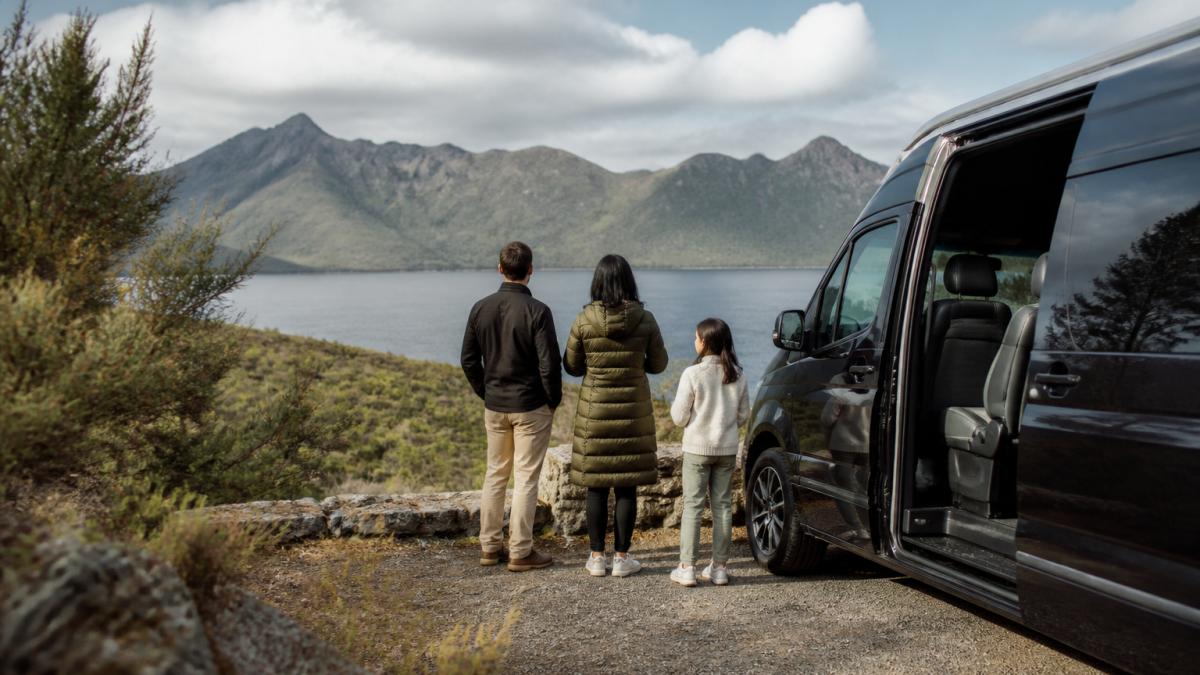
With VIP Tassie Experiences, private transport and local insight allow wildlife viewing to sit naturally alongside a long lunch, a cellar door visit, a coastal walk or a heritage stop. The result is more relaxed than a wildlife-only itinerary, yet often far more memorable.
What wildlife you may see in Tasmania
Tasmania has an exceptional concentration of native species, including animals that are scarce or absent on mainland Australia. Sightings are never guaranteed – nor should they be – but thoughtful planning can make a meaningful difference.
Wombats, wallabies and pademelons
Common wombats are one of Tasmania’s most sought-after encounters. They are usually active from late afternoon into the evening, particularly in grasslands and open forest near the edges of national parks. Their unhurried gait can make them seem easy to approach, but distance matters. A wombat feeding peacefully is a privilege, not an invitation to move closer.
Bennett’s wallabies are widely seen across the island, especially around rural clearings, coastal reserves and quieter roadside country. Pademelons, smaller and more shy, favour denser forest margins. Dawn and dusk are their prime hours, although a calm, overcast day can bring them out earlier.
Tasmanian devils and quolls
Seeing a Tasmanian devil in the wild is possible, but it calls for patience, realistic expectations and a willingness to travel after dark. Devils are largely nocturnal and naturally elusive. They are most often glimpsed crossing roads or moving through bushland at night, which is why responsible driving and an experienced local guide are so valuable.
Spotted-tailed quolls and eastern quolls are even more difficult to encounter. Their rarity is part of their appeal, but a truly responsible wildlife experience never promises a sighting. The better promise is time spent in suitable habitat, with an informed guide who understands the conditions and respects the animals’ space.
Birds, marine life and the smaller details
Tasmania rewards travellers who look beyond the headline animals. Wedge-tailed eagles, white-bellied sea eagles, black swans and colourful parrots are often part of a day on the road. Along the coast, you may see dolphins, seals or migrating whales in season. On a forest walk, the quieter discoveries can be just as special: a blue wrens’ flash through the scrub, a curious echidna foraging beside the track, or the distinctive calls that carry through wet eucalypt forest.
When to plan your wildlife touring
Every season has its appeal, and the best timing depends on the animals you hope to see as well as the style of holiday you prefer.
Spring brings fresh growth, active birdlife and bright green landscapes. It is a lovely time for travellers who enjoy gardens, wildflowers and softer weather, though conditions can change quickly. Summer offers longer daylight hours and makes it easier to pair a wildlife-focused drive with beaches, vineyards and unhurried outdoor dining.
Autumn is often ideal for a refined touring pace. The light is golden, roads are generally quieter and the air becomes crisp enough for longer walks without summer heat. Winter brings a more dramatic atmosphere: misty valleys, fireplaces, fewer visitors and excellent opportunities for night-time wildlife outings. It can be cold and wet, but for those who appreciate atmosphere over predictability, winter has real character.
Regardless of season, dawn and dusk are often the most productive periods for land mammals. This does not mean setting off at an uncomfortable hour every day. A private itinerary can be designed around one early start or a later finish, balanced by a leisurely breakfast, a beautiful lunch and time to rest between experiences.
Choosing the right landscapes
A strong Tasmania wildlife touring guide begins with habitat, not a list of species. The island’s varied landscapes support very different animal encounters.
The east coast offers open beaches, rocky headlands, coastal heath and clear skies. It is particularly appealing for seabirds, wallabies and marine-life watching, with opportunities to combine wildlife with pristine bays and acclaimed food and wine.
The Tasman Peninsula brings towering sea cliffs, sheltered coves and rich birdlife. It suits travellers who enjoy a scenic drive with short walks, dramatic photography and the possibility of seals or dolphins offshore. Inland valleys and forested regions create a different mood altogether – one of mossy trails, cool air and more frequent encounters with pademelons, echidnas and woodland birds.
Your accommodation location also matters. A day from Hobart can be richly rewarding, but an overnight journey further afield allows more time around dawn and dusk, when wildlife is most active. For multi-generational families or travellers who prefer not to spend long hours in the vehicle, a bespoke route can focus on a smaller area and still feel wonderfully full.
Wildlife viewing with care
The most luxurious wildlife encounter is one that leaves no trace. Tasmania’s animals are wild, and the best viewing is quiet, patient and respectful.
Keep a generous distance, particularly from wombats, wallabies and birds with young. Never feed wildlife, even when an animal seems accustomed to people. Human food can make animals ill and can alter their behaviour in ways that put them at risk. Keep food secured, take rubbish with you and remain on marked tracks where they are provided.
Night driving requires special care. Wildlife can move unexpectedly across country roads, especially at dusk and after rain. A slower pace is not only safer for animals; it also creates a calmer, more enjoyable journey for everyone in the vehicle.
Photography benefits from the same approach. A longer lens, a steady hand and a little patience will produce a more natural image than stepping too close or using flash. If an animal changes its behaviour because of your presence – freezing, retreating or becoming alert – you are too near.
How to shape a private wildlife itinerary
The most satisfying days have a clear rhythm. Begin with one priority, whether that is wombats at dusk, coastal birdlife or a forest walk in search of pademelons. Then build the rest of the day around experiences that complement the setting rather than compete with it.
A coastal itinerary might include an easy morning drive, a private picnic with local produce, time at a quiet beach and a late-afternoon stop in wallaby country. An inland day could pair a heritage village, a cellar door lunch and a gentle forest walk before the return journey. Food and wine lovers need not choose between Tasmania’s flavours and its fauna – the pleasure lies in having the time for both.
Be open with your guide about mobility, photography interests, preferred dining style and how long you are comfortable travelling. A couple celebrating a milestone may want a champagne pause in a scenic setting. A family may prefer shorter walks, frequent comfort stops and wildlife locations that keep younger travellers engaged. A solo guest may relish a slower, more observational day. The itinerary should feel like yours.
Tasmania is at its most generous when you resist the urge to see everything. Allow room for a roadside eagle, a quiet forest clearing and the possibility that the day’s finest moment was never printed on the itinerary.


Experiences
Book a Tour
Plan your tailored Tasmanian journey with ease—reserve your private tour today.


