
Table of Contents
- Start With a Clear Vision: What Luxury Means for Your Group
- How Many Days for a Tasmania Road Trip (and Why It Matters)
- The Bespoke Tasmania Tour Booking Process, Step by Step
- Private Driver Tasmania Tours: What to Expect on the Road
- Seasonal Planning: When to Go and What to Pack
- Sustainable Luxury: Treading Lightly on the Island
- Multi-Generational Luxury: Keeping Everyone Happy
- Conclusion: Your Luxury Tasmania Trip Starts With One Conversation
- Frequently Asked Questions
Last Updated: September 25, 2026
Start With a Clear Vision: What Luxury Means for Your Group
A luxury Tasmania trip is a privately guided, unhurried journey built around your group’s specific interests, not a fixed coach schedule. At VIP Tassie Experiences, we plan each day around what actually matters to the people travelling: a wine trail for some, a quiet coastal walk for others. The first planning decision is not where to go, but what “luxury” means to your group.
Before you contact anyone, write down the three experiences your group would regret missing. Guides can build around those anchors far more effectively than around a wish list of twenty stops.
How Many Days for a Tasmania Road Trip (and Why It Matters)
Most travellers find that five to seven days covers the headline regions without rushing, while ten days allows a genuinely unhurried pace. The island is compact on a map but the roads between highlights are slow and winding, so distance alone understates travel time.
A 7-Day Luxury Loop: Hobart, East Coast, Launceston
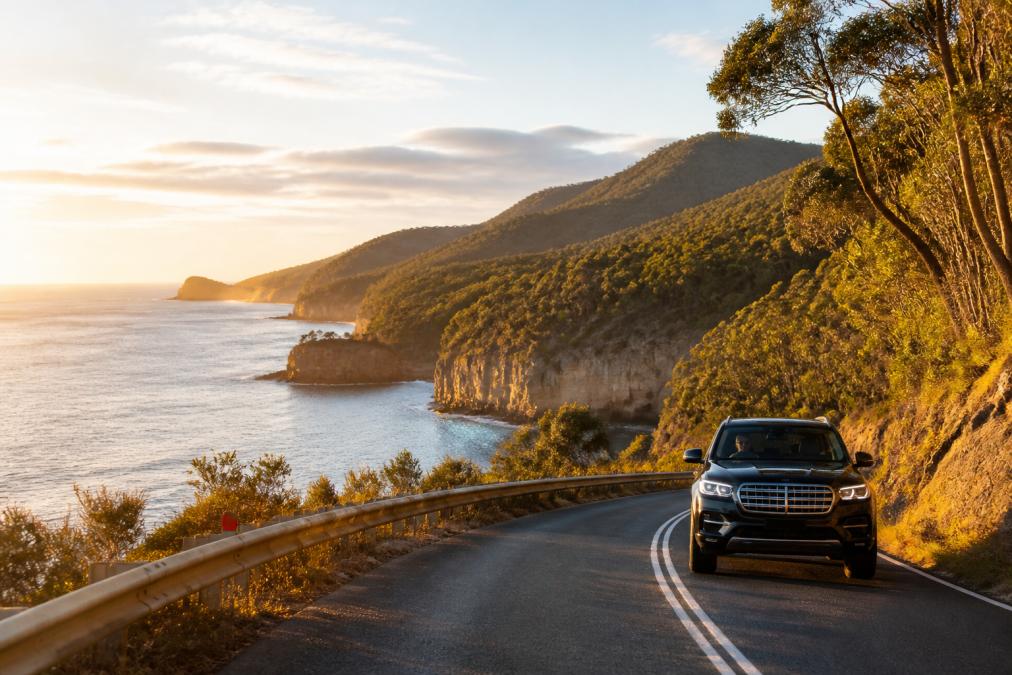
Seven days suits a first visit. Base two nights in Hobart, follow the east coast through the Freycinet peninsula, then finish in Launceston via the Tamar Valley. It is enough for a wine day, a wildlife evening and one full coastal day without any early starts.
A 10-Day Deep Immersion: Adding the Wild West
Ten days lets you add the west coast: Cradle Mountain, Strahan and the Gordon River. This is where a bespoke itinerary earns its keep, because the west rewards slow travel and the driving distances demand careful sequencing.
The Bespoke Tasmania Tour Booking Process, Step by Step
The bespoke Tasmania tour booking process is a conversation, not a checkout page. A good operator asks about your group, your pace and your interests before proposing anything, then refines the plan with you.
- Share your dates, group size and the three anchor experiences you identified.
- Discuss pace honestly, including how early anyone is willing to start.
- Receive a draft itinerary with realistic driving times between stops.
- Adjust the draft until it fits, swapping stops rather than adding them.
- Confirm dates, vehicle and guide, then receive your final itinerary.
- Review the plan again a week out, in case seasonal conditions shift anything.
The most common planning mistake is overfilling the itinerary. A day with six stops usually delivers less than a day with three, because the best moments happen when nobody is watching the clock.
Private Driver Tasmania Tours: What to Expect on the Road
Private driver Tasmania tours replace self-driving stress with local knowledge. Your guide handles the roads, the parking and the timing, which matters on winding coastal routes where a wrong turn costs an hour. But the difference between an average private transfer and a genuinely luxury one comes down to three things most guides never explain: how the vehicle is licensed, how the day is sequenced, and how you move between regions that are too far apart to drive in a single comfortable stint.
Vehicle classes and what they actually suit
In Australia, vehicles carrying paying passengers fall under state passenger transport accreditation, and operators must hold the correct accreditation for the vehicle size and the type of service. For a luxury trip, the practical split looks like this:
- Executive sedans and SUVs suit couples and solo travellers. They handle the east coast and the Tamar Valley well but run out of luggage space on a ten-day itinerary with multiple lodge changes.
- People movers and large SUVs suit families and small groups of four to six. They are the realistic choice for multi-generational travel because they allow a rest day for some passengers without splitting the group across two vehicles.
- Small coaches suit groups of eight or more but change the feel of the trip. Once you are in a coach, you are on a schedule again, which defeats the point of a bespoke itinerary.
The air-hopping option most guides ignore
The single biggest gap in most luxury planning advice is what happens when the road distance is the enemy. Driving from Hobart to Cradle Mountain is a long day in the car, and driving from Cradle Mountain to Strahan adds another. High-end travellers increasingly skip those legs by air.
- Private charter flights connect Hobart and Launceston with regional airstrips near the west coast and the Freycinet peninsula. These are typically arranged through a charter operator rather than a scheduled airline, and they are priced per aircraft, not per seat.
- Helicopter transfers are the more flexible option for lodge-to-lodge movement and for accessing wilderness areas with no road at all. They are weather-dependent, so a good operator builds a buffer day into any itinerary that relies on them.
- The trade-off is cost and carbon. A helicopter leg will always be more expensive and higher-emission than the equivalent drive. The sustainable-luxury answer is to use air transfers sparingly, for the one or two legs where the drive would genuinely ruin the day, and drive the rest.
What a private guide actually opens up
Ask any operator two questions before you book: which vehicle class will actually be used each day, and whether they hold current passenger transport accreditation for it. The answer tells you more about the trip than any brochure.
Seasonal Planning: When to Go and What to Pack
Seasonal planning is where most luxury itineraries are won or lost, and it is the area competitors cover least well. The island’s weather changes fast, the premium accommodation books out far in advance, and the difference between a good week and a great one often comes down to which month you chose.
What each season actually delivers
- Summer (December to February) offers the longest days and the warmest coastal weather. It is also peak season, which means the best lodges and the most in-demand guides are booked months ahead. If you want a specific property over the summer holidays, plan on booking six to twelve months out.
- Autumn (March to May) brings quieter roads, vineyard colour and stable weather. Many practitioners consider it the sweet spot for food and wine travel, because the harvest is on and cellar doors are at their most active.
- Winter (June to August) suits travellers who want wilderness, log fires and wildlife rather than beaches. It is the best season for seeing the island without crowds, but some highland roads and walking tracks can be affected by snow and ice, so a flexible itinerary matters more than in any other season.
- Spring (September to November) delivers wildflowers and changeable skies. It is the most unpredictable season, which is precisely why a private guide with local knowledge earns their fee.
Many visitors find that booking outside peak summer gives a more secluded experience at the same standard of accommodation, often at a lower rate.
The booking windows that actually matter
Luxury travel here is not last-minute friendly. The realistic planning windows are:
- Premium lodges and wilderness retreats: six to twelve months ahead for peak periods, three to six months for shoulder season.
- Private guides and drivers: two to four months ahead in summer, four to eight weeks in the quieter months.
- Charter flights and helicopter transfers: four to eight weeks ahead, with a buffer day built into the itinerary.
- Restaurant bookings at destination dining venues: four to eight weeks ahead, longer for holiday periods.
A seasonal packing guide for luxury travellers
The gap most guides miss is that luxury packing is not about packing more, it is about packing layers that work across four seasons in a single day, without looking like you are heading to a hiking store.
| Season | Pack This | Leave Behind |
|---|---|---|
| Summer | Light natural-fibre layers, sun hat, reef-safe sunscreen, a light merino wrap for cool evenings | Heavy coats, bulky knitwear |
| Autumn | Merino layers, a tailored waterproof shell, comfortable leather walking shoes, a scarf | Sandals only, thin cotton |
| Winter | Insulated jacket, thermal base layers, beanie, gloves, waterproof boots | Light linen, open shoes |
| Spring | Layered outfits, a compact umbrella, sturdy shoes, a warm mid-layer | Bulky luggage, single-season clothing |
The most common packing mistake is treating the island as one climate. Coastal Hobart and the highlands can differ by ten degrees or more on the same day. Build every outfit around removable layers, not around a single heavy coat.
Why the shoulder seasons often win
If your priority is the experience rather than a specific date, the shoulder months, late autumn and late spring, frequently deliver the best combination of weather, access and seclusion. Roads are quieter, guides have more time, and the premium properties are more likely to have availability at short notice. The trade-off is unpredictability, which is exactly what a private guide is there to manage.
Choose your season around the experience you want, not around the calendar. Then book the accommodation and the guide first, and build the itinerary around what is actually available.
Tourism Tasmania’s official visitor guidance
Sustainable Luxury: Treading Lightly on the Island
Sustainable luxury means travelling in a way that leaves the places you love as you found them. Smaller private groups put less pressure on walking tracks and cellar doors than full coaches, and local guides tend to steer visitors toward businesses that share that approach.
Choosing a private, locally guided format is itself a sustainability decision. Fewer vehicles, smaller groups and locally owned stops reduce impact while improving the experience.
Multi-Generational Luxury: Keeping Everyone Happy
Multi-generational groups work best when the day has two speeds. Plan a shared morning, then let one group rest at the lodge while another takes a shorter walk or a cellar door visit, and reconvene for a long lunch. The trick is a vehicle and a guide flexible enough to change the plan mid-afternoon without anyone feeling short-changed.
Tourism Tasmania’s official visitor guidance
Conclusion: Your Luxury Tasmania Trip Starts With One Conversation
The hardest part of planning a luxury Tasmania trip is not choosing destinations; it is finding an operator who listens before proposing. VIP Tassie Experiences builds each journey around your group’s pace, with private local-led day tours, tailored itineraries and spacious modern vehicles instead of crowded buses and rigid schedules. Tell us what matters most to your group, and we will shape the days around it.
Frequently Asked Questions
What is the best itinerary for a luxury trip to Tasmania?
A classic 7 to 10-day luxury itinerary pairs Hobart and the Huon Valley with the East Coast (Wineglass Bay, Freycinet) and Launceston and the Tamar Valley. Add Cradle Mountain for wilderness. A bespoke Tasmania tour booking process lets you swap stops based on your interests, whether that’s gourmet food, wildlife, or coastal scenery. Build in rest days so the pace stays unhurried.
How many days is enough to explore Tasmania?
For a comprehensive luxury tour, plan 10 to 14 days. A 7-day Tasmania road trip covers the highlights (Hobart, East Coast, Launceston) comfortably. Anything under 5 days means long drives and little immersion. If you want wilderness, vineyards, and fine dining without rushing, 10 days is the sweet spot for most travellers.
What is the best month to go to Tasmania?
December to February offers the warmest, driest weather and long daylight hours, ideal for coastal scenery and wilderness walks. March to May brings autumn colours and fewer crowds. October and November are excellent for wildflowers and gourmet produce. Winter (June to August) suits travellers seeking secluded luxury lodges and wildlife encounters, though some highland roads may be affected by snow.
How do I arrange private transport for a bespoke tour?
Start by outlining your must-see regions, group size, and preferred pace. A private driver Tasmania tours provider will then design a route with comfortable vehicles and local guides. Confirm whether pricing includes entry fees, meals, and wine tastings. Ask about vehicle size for multi-generational groups and whether the itinerary can flex on the day. Book well ahead for peak season.
What are the must-visit culinary destinations for high-end travellers?
Hobart’s waterfront and Salamanca area anchor the fine dining scene, with a strong focus on local seafood and produce. The Tamar Valley and Derwent Valley offer cellar doors and vineyard restaurants. The East Coast is known for oysters and coastal dining. For a truly curated experience, a local guide can arrange private tastings at boutique vineyards and off-the-beaten-path farm gates.
Where are the most exclusive luxury lodges and hotels?
Luxury lodges cluster around Cradle Mountain, Freycinet National Park, and the Tamar Valley, plus boutique properties in Hobart and Launceston. Many offer secluded settings, world heritage views, and concierge services. Because availability is limited, book several months ahead, especially for summer and school holidays. A bespoke travel planner can match you with properties that suit your group’s needs.
What should I pack for a luxury Tasmania trip?
Pack layers regardless of season. Even summer evenings can be cool, especially near the coast and highlands. Bring a waterproof jacket, comfortable walking shoes, and smart-casual attire for fine dining. In winter, add thermal base layers, a warm coat, and gloves. If you’re visiting wilderness areas, sturdy footwear is essential. Your accommodation can usually arrange laundry, so pack light and leave room for gourmet purchases.
Can you accommodate multi-generational groups on a luxury tour?
Yes. The key is a flexible pace and a private vehicle large enough for everyone. A good provider will build in shorter driving days, optional activities for different energy levels, and rest stops. Grandparents might prefer a vineyard lunch while teenagers opt for a wildlife cruise. Discuss mobility needs and interests upfront so the itinerary works for all ages.


Experiences
Book a Tour
Plan your tailored Tasmanian journey with ease—reserve your private tour today.


