
Table of Contents
- What Makes a Day Tour Truly Flexible for Families
- Family Tour Itinerary Examples That Work in Practice
- How to Plan a Family Day Tour That Suits Everyone
- Family Day Tour Duration: Finding the Right Length
- Private Family Tours Tasmania: What Sets Them Apart
- Choosing a Tour Operator: Your Real Checklist
- Frequently Asked Questions
Last Updated: October 7, 2026
What Makes a Day Tour Truly Flexible for Families
A flexible day tour for families is one that adapts in real time to your group’s energy, interests, and pace rather than forcing everyone into a rigid schedule. The difference between a flexible tour and a standard one comes down to whether your guide can pivot when your five-year-old needs a break, when someone wants to linger at a hidden beach, or when the group discovers an unexpected local café worth exploring.
Real flexibility means several things working together. Your guide should know the region deeply enough to suggest alternatives on the fly. The vehicle should be comfortable enough that a tired grandparent isn’t miserable. The itinerary should have built-in buffer time instead of racing between checkpoints. And the operator should genuinely welcome changes rather than treating them as inconveniences.
Families value flexibility most when they’re mixing age groups or energy levels. A multi-generational group needs somewhere to rest without feeling rushed. Solo parents with young children need a guide who can read the room and adjust. Groups of friends want to chase unexpected moments without checking a clock. What unites these scenarios is that flexibility isn’t a feature you add on, it’s how the entire tour is designed from the start.
Flexible tours build in unscheduled time, which allows for real discoveries. When a family finds an unexpected viewpoint or wants to spend an extra hour at a beach, that flexibility is what makes the day memorable instead of stressful.
Family Tour Itinerary Examples That Work in Practice
Three types of itineraries work particularly well for families, each addressing different priorities.
The mixed-pace itinerary divides the day into active segments and rest segments. Morning might include a short nature walk or wildlife encounter when energy is highest. Mid-day includes a longer stop for lunch and downtime, perhaps at a scenic spot where kids can run around while adults relax. The afternoon includes lighter activities: scenic drives, a visit to a local producer, or a beach walk. This rhythm prevents anyone from burning out.
The interest-led itinerary starts with what your family actually wants to see. Wine regions, historic sites, wildlife, coastal drives, culinary experiences, the guide builds the day around those priorities rather than a preset route. Within that framework, flexibility means the guide knows three versions of each stop: the quick version (30 minutes), the standard version (60-90 minutes), and the deep dive (2+ hours). Your family chooses based on how you’re feeling that day.
The hybrid itinerary combines structure with spontaneity. The guide plans two or three anchor stops that are genuinely worth your time, then fills the gaps with options. This gives families direction without the pressure of a packed schedule. Between stops, the guide might suggest a detour to a hidden viewpoint, a local’s favourite lunch spot, or an unplanned wildlife sighting.
All three work because they prioritise what matters to your group over what a generic tour operator thinks families should see. The real difference between a flexible family day tour and a standard group tour is that flexible tours are built around your family, not around a route.
How to Plan a Family Day Tour That Suits Everyone
Planning a flexible day tour that works for everyone starts with honest conversations before the day begins.
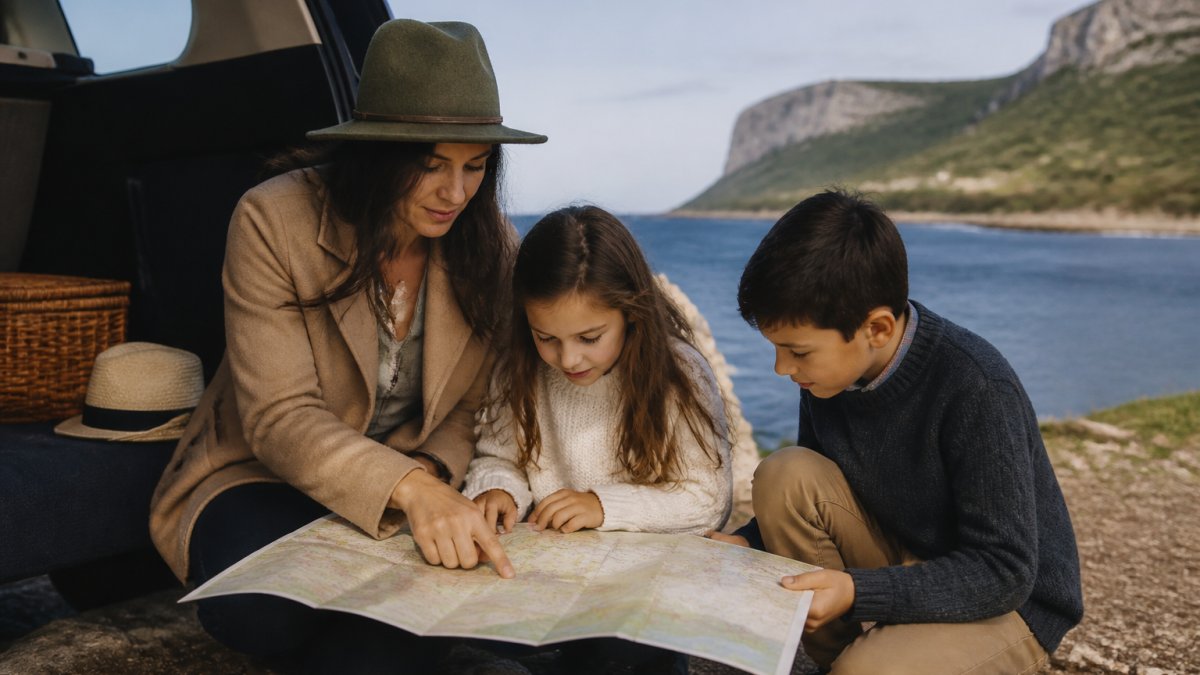
First, identify what matters most to your group. Not what you think you should see, what would actually make the day good for you. Are the kids keen on animals? Does someone want to taste local produce? Is the goal relaxation or adventure? Is anyone anxious about long drives or physical activity? This clarity shapes everything else.
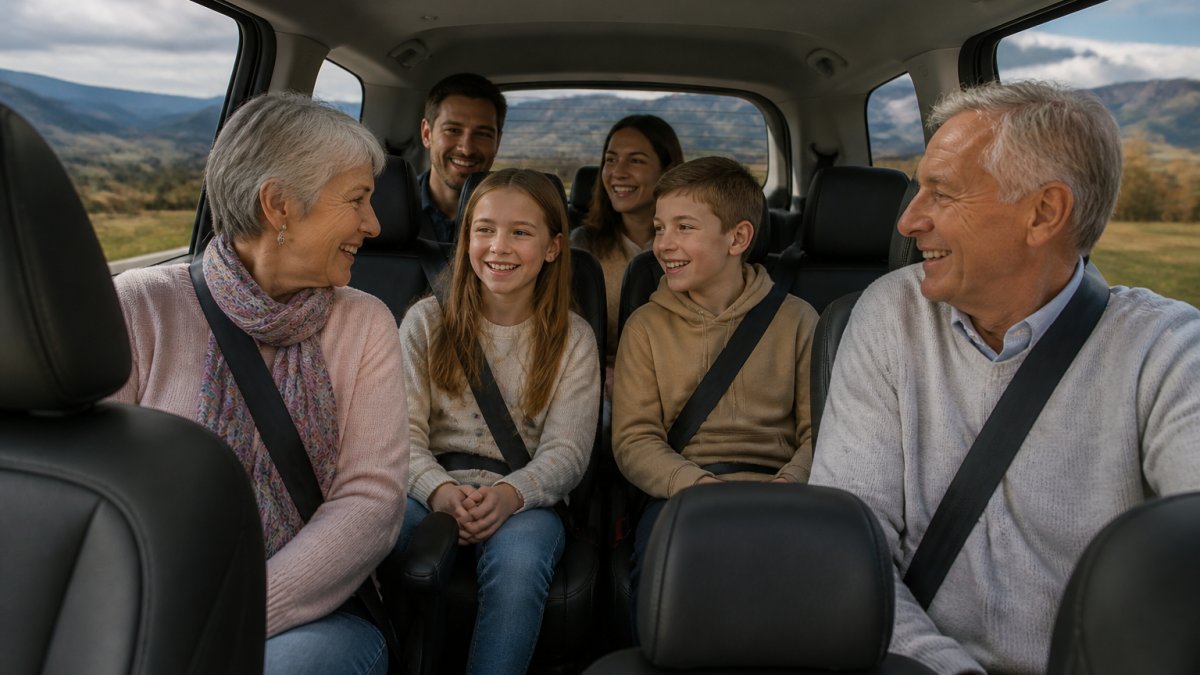
Second, communicate your group’s composition and any constraints. A guide who knows you’re bringing a toddler, a teenager, and grandparents can plan differently than one who assumes four adults. Mention any mobility considerations, dietary preferences, or sensory sensitivities. This isn’t about limiting the tour, it’s about letting the guide plan a day that actually works for your group rather than discovering problems mid-tour.
Third, discuss the pace you want. Some families want to see as much as possible. Others prefer to move slowly and spend time in fewer places. Neither is wrong, but the guide needs to know which one you are. A guide planning for a fast-paced group will rush a family that wants to linger, and vice versa.
Fourth, build in flexibility explicitly. Ask the guide what options exist if someone gets tired, if the weather changes, or if your group discovers something unexpected you want to explore. The best guides have backup plans and alternatives ready. They’re not improvising on the spot, they know the region well enough to offer real choices.
Finally, be realistic about what one day can include. A tour operator who promises to show you everything is selling a rushed experience, not a flexible one.
Family Day Tour Duration: Finding the Right Length
The ideal length for a family day tour gives you enough time to experience the region without exhausting younger children or creating too much time in the vehicle.
Most families spend time travelling to the first stop, at main attractions or experiences, for lunch, and returning. That structure allows for flexibility without feeling cramped.
However, the right duration depends on your family’s composition. A family with children under five might prefer four to five hours, enough time for one or two good stops plus a leisurely lunch, then home before the day falls apart. A multi-generational group might want seven to eight hours because the pace is naturally slower and there’s more time to rest between activities. Teenagers and active families might be comfortable with a full day (eight to ten hours) if the activities are genuinely engaging.
The key is matching duration to your group’s actual stamina, not what you think you should be able to do. A shorter, unhurried day where everyone enjoyed themselves is better than a long day where someone was miserable by hour five.
Real flexibility includes the option to slow down, and that’s only possible if the tour isn’t packed with too many destinations.
Private Family Tours Tasmania: What Sets Them Apart
Private family tours differ from group tours in ways that matter for families. A group tour puts your family on a bus with 20-40 other people, follows a set itinerary, and moves on schedule. A private tour is your family, your guide, and your vehicle, which changes what’s possible.
The comfort difference is immediate. Your family has space. Kids aren’t squeezed next to strangers. You’re not waiting for a large group to board or navigate bathroom breaks. The vehicle is climate-controlled and comfortable, not a coach designed to move volume.
The pace difference is more important. A private tour can stop when your family wants to stop. If your kids find a rock pool, you can spend 30 minutes exploring it without holding up 30 other people. If your grandmother needs to rest, you rest. If someone spots wildlife and wants to wait and watch, you wait.
The experience difference is substantial. A private guide knows your family by name and learns what you’re interested in as the day unfolds. They can share stories, answer questions, and adjust the experience to your family’s curiosity. They’re not managing a group dynamic or keeping to a tight schedule, they’re focused on making your day good.
The personalisation is real. Your guide isn’t following a script for the fiftieth time. They’re engaging with your family’s actual interests and adapting the day accordingly. If you’re interested in local history, they can go deeper. If you want to focus on wildlife, that’s the priority. If you’d rather take a scenic drive and skip the “must-see” attractions, that’s an option.
VIP Tassie Experiences operates private tours specifically because that model allows genuine flexibility. A private vehicle with a local guide means your family’s preferences shape the day, not a predetermined route.
The real value of a private family tour isn’t luxury for its own sake, it’s the freedom to move at your family’s pace and explore what actually interests you, without compromise.
Choosing a Tour Operator: Your Real Checklist
Selecting the right tour operator matters because flexibility only works if the guide can deliver it. Here’s what to assess before booking.
Local knowledge that goes deeper than a guidebook. Ask the operator what they know about the regions you want to explore. A good operator can tell you which beaches are best for different ages, where to find local food producers, what wildlife you might see in different seasons, and which viewpoints are worth the drive.
Experience with multi-generational groups. Ask directly: have they guided families with grandparents, parents, and young children? Do they understand the logistics of managing different energy levels and interests? A guide who’s done this before knows how to structure a day so everyone has a good time.
Flexibility in how they respond to change. Ask what happens if your family wants to spend more time somewhere, skip a planned stop, or try something unexpected. A good operator says “absolutely, we can do that.” A poor one says “that’s not on the itinerary.” The difference tells you everything about how they approach flexibility.
Clear communication before the day. The best operators ask detailed questions before you book: what’s your family composition, what are your interests, what’s your pace preference, are there any constraints? They use those answers to shape a custom itinerary.
Transparent about what’s included and what costs extra. Ask about meals, activities, entry fees, and any optional experiences. You should know the full cost before the day starts, not discover surprise charges mid-tour.
References from families similar to yours. Ask for testimonials from multi-generational groups or families with young children. What did they appreciate? What would they do differently?
Vehicle comfort and safety standards. A flexible tour only works if everyone is comfortable. Ask about the vehicle: is it spacious, climate-controlled, and well-maintained? Are there booster seats or safety equipment for children? What’s the operator’s approach to driver safety and passenger comfort?
The goal isn’t to find a perfect operator, it’s to find one who understands your family’s needs and has the local knowledge and flexibility to deliver a good day.
Flexible day tours for families work because they prioritise your family’s actual experience over a preset route. The best operators combine deep local knowledge with genuine responsiveness to what your family wants, supported by comfortable vehicles and guides who understand multi-generational dynamics.
Frequently Asked Questions
What makes a day tour flexible for families?
True flexibility means you control the pace, stops, and focus areas rather than following a fixed schedule. A flexible day tour lets you linger at a location your children enjoy, skip activities that don’t appeal, adjust departure times, and incorporate your own interests, whether that’s wine regions, hidden beaches, or local food spots. The tour operator should be willing to work with your rough itinerary rather than imposing a standard one, and your guide should have the authority to make real-time changes based on how the day unfolds.
How long should a family day tour last?
Multi-generational groups benefit from building in flexibility: plan core activities for the middle hours when energy is highest, and allow buffer time for unexpected delays or a child’s need to slow down. Discuss your group’s energy levels and interests with your tour operator beforehand so they can structure the day accordingly.
Can a private family tour be customised around different interests?
Yes, when you choose the right operator. Private family tours are designed to accommodate varying interests within one group, grandparents might prefer historical sites while children want wildlife encounters. A bespoke itinerary should blend these priorities, perhaps starting with a local history walk, moving to a wildlife spot with interactive elements for kids, and finishing with a family-friendly meal. Your guide should have deep local knowledge to suggest activities that appeal across age groups and energy levels.
What should families consider when choosing a guided day tour?
Prioritise a tour operator with proven experience managing multi-generational groups and a willingness to build itineraries around your interests rather than standard templates. Check whether the vehicle is spacious and comfortable for longer journeys, and confirm the guide has flexibility to adjust the day in real time. Ask how they handle rest breaks, whether they work with local businesses you want to visit, and what happens if the day doesn’t go as planned. Verify they understand your specific needs before booking.

Experiences
Book a Tour
Plan your tailored Tasmanian journey with ease—reserve your private tour today.


