
Table of Contents
- Why Private Vehicle Tasmania Tours Change How You See the Island
- Private Tour vs Self-Drive Tasmania: The Real Trade-Offs
- What Bespoke Tasmania Tours Actually Look Like in Practice
- Tasmania Day Tours Without the Crowd: Privacy, Pace and Hidden Gems
- Tasmania Tours for Seniors: Comfort, Accessibility and Multi-Generational Logistics
- How to Choose a Private Tour Provider: What to Ask Before You Book
- Conclusion: Matching the Vehicle to the Trip You Want
- Frequently Asked Questions
Last Updated: October 9, 2026
Why Private Vehicle Tasmania Tours Change How You See the Island
The benefits of private vehicle Tasmania tours come down to one idea: the island rewards slow, flexible travel, and a private vehicle is the only way to travel that way. At VIP Tassie Experiences, we build bespoke, private day tours around exactly that principle.
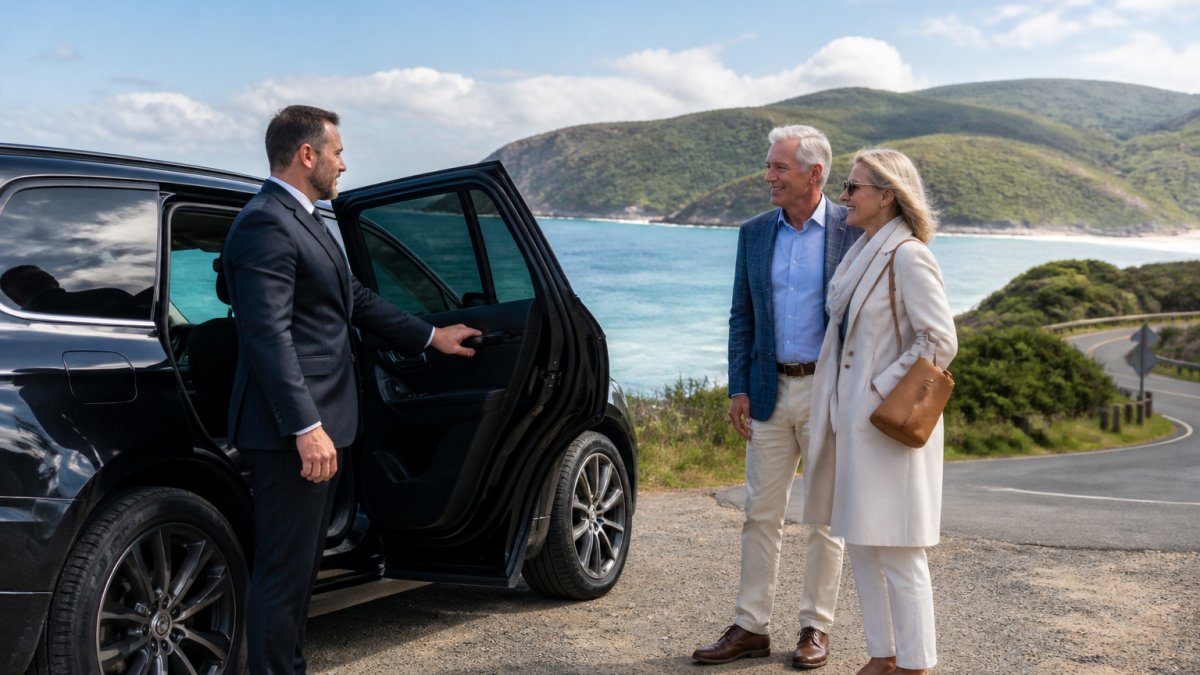
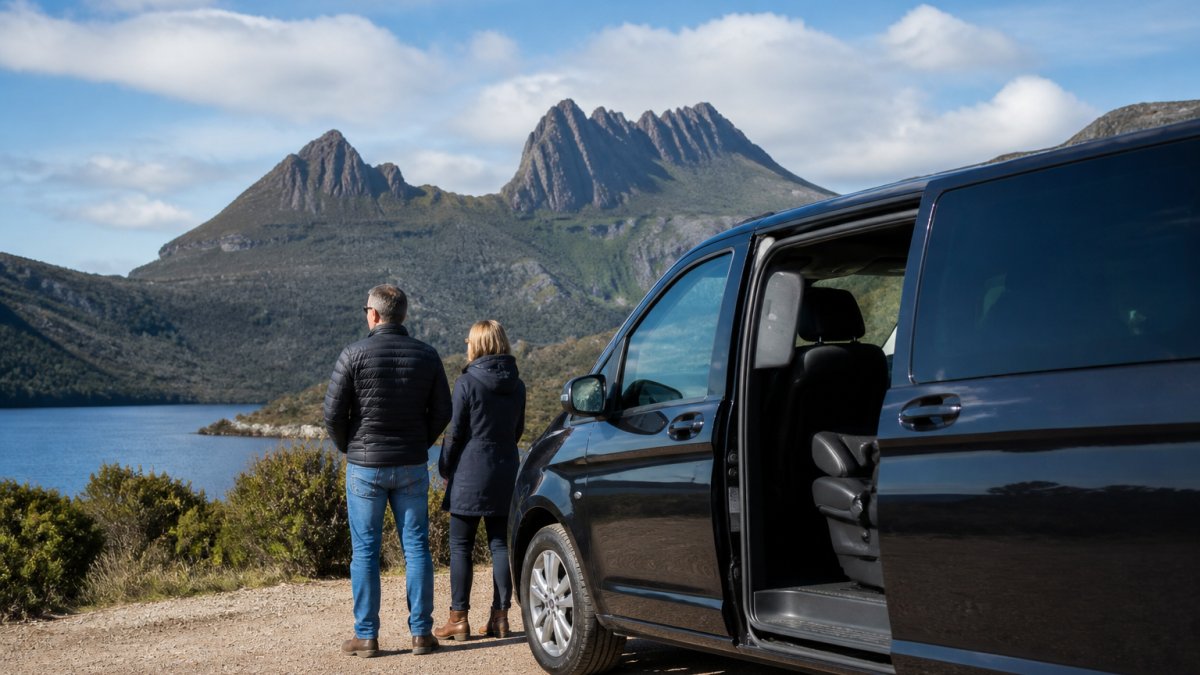
Most visitors see the highlights through a coach window at 100 km/h. A private vehicle lets you stop at the orchard gate, the lookout with no signage, the cellar door down a gravel lane. It also removes the thing nobody warns you about: driving winding mountain roads in an unfamiliar car, on the left, after a long flight.
Below, we break down what a private vehicle actually changes, how it compares with self-driving, and how to choose a provider without wasting your money.
Private Tour vs Self-Drive Tasmania: The Real Trade-Offs
A private tour wins on time, safety and access. Self-driving wins on cost and total independence. Which matters more depends on your group, your confidence behind the wheel, and how much of your holiday you want to spend navigating.
What Self-Driving Actually Costs You
Hire car rates, fuel, and insurance excess are the obvious costs. The hidden ones are bigger.
Rural roads here are often single-lane, unsealed, or shared with wildlife at dusk. A common mistake is planning three regions in one day. Distances look short on a map, but winding roads and terrain mean a two-hour drive can take four.
- Rental and fuel costs
- Navigation and parking in towns
- Fatigue on long, winding stretches
- Wildlife risk at dawn and dusk
Where a Professional Driver Wins
A professional driver turns travel time into part of the experience. You watch the scenery instead of the centre line, and local insights come free with the ride. Our guides know which cellar door takes walk-ins, which beach is empty at 4pm, and which road closes after rain.
Reliability is the quiet benefit. When a road is out or the weather turns, a local driver reroutes in minutes. You would be reading a closed-road sign and reaching for your phone.
What Bespoke Tasmania Tours Actually Look Like in Practice
Bespoke means built around you, not picked from a menu. But “bespoke” only works if the provider understands how the island’s geography constrains a day. The practical skill is grouping stops into a loop that respects drive times, opening hours and the light, rather than stringing together a wish list from a guidebook.
A useful rule of thumb: plan no more than two distinct regions in a single day, and treat any stop as costing 45-60 minutes once you include parking, walking and the inevitable linger. A two-hour drive on a map can become three on winding roads, so the itinerary should be built backwards from sunset, not forwards from breakfast.
How a Day Is Actually Assembled
Take a couple who love food and coastlines, travelling outside the peak summer period. A workable shape looks like this:
- 8:30am, Collected from your accommodation, with coffee and a briefing on the day’s options
- 9:30am, First cellar door in a cool-climate wine region, timed for opening rather than the late-morning rush
- 11:30am, A second, smaller producer nearby; the kind that takes walk-ins but rewards a booked tasting
- 1:00pm, Long lunch at a local producer, ideally with a view and no fixed departure time
- 3:00pm, Coastal walk on an uncrowded beach, chosen for tide and shelter from the prevailing wind
- 4:30pm, Wildlife stop on the drive home, timed for the hour before dusk when animals are most active
- 6:00pm, Drop-off, with the option to add a dinner booking if energy allows
The order matters. Cellar doors are best early, beaches are best mid-afternoon when the day-trippers have gone, and wildlife is best at the edges of the day. A private vehicle lets you sequence around those rhythms instead of around a coach timetable.
Hidden-Gem Routing: The Part Most Operators Skip
Most published itineraries cycle through the same headline stops. The real value of a private vehicle is the ability to fold in places that never appear on a group tour: a small-batch distillery down a gravel lane, a lookout with no signage, a farm gate stall selling fruit in season, a stretch of coast accessible only by a short unsealed road.
A few practical patterns worth asking your provider about:
- Shoulder-season alternatives. When a headline walk is closed for maintenance or weather, what is the nearby substitute that delivers a similar experience?
- Reverse routing. Doing a popular loop in the opposite direction often means you arrive as the coaches leave.
- Tidal and weather windows. Some coastal stops only work at low tide or in calm conditions; a good itinerary has a wet-weather and a dry-weather version.
- Produce calendars. Berry farms, orchards and oyster sheds have short seasons; a local driver knows what is actually picking that week.
If you already have a rough plan from guidebooks, bring it. We work with what you have and fill the gaps, rather than starting from scratch. The most useful thing you can tell a provider is not where you want to go, but what you want the day to feel like, relaxed, packed, food-led, walk-led, or child-friendly.
Ask your provider to build in one unscheduled hour. The best stops are usually the ones you spot from the car and decide to pull over for, and a private vehicle is the only format that lets you act on that impulse.
A bespoke itinerary is not a longer list of stops. It is a sequence built around drive times, opening hours, tides and light, with a wet-weather plan and one deliberate gap for spontaneity.
Tasmania Day Tours Without the Crowd: Privacy, Pace and Hidden Gems
Privacy and pace control are the two things group tours cannot offer. A private group moves when it is ready, lingers where it likes, and skips what does not interest anyone.
Hidden gems matter here because the famous spots get busy fast. A private vehicle can reach the lesser-known lookout, the small-batch distillery, the quiet stretch of coast, all before the coaches arrive.
For travellers who want exclusivity without a rigid schedule, this is where private transport earns its keep. You are not waiting for forty other people to finish their coffee.
Tasmania Tours for Seniors: Comfort, Accessibility and Multi-Generational Logistics
Tasmania tours for seniors work best when comfort and flexibility lead the planning. Modern vehicles, door-to-door transfers, and a pace set by the slowest member of the group turn a demanding day into an easy one. Multi-generational groups are where this matters most, and where most published itineraries quietly fail.
Grandparents, parents and kids rarely want the same day. In practice, a private vehicle solves that: drop half the group at a wildlife park while the rest walk a short trail, then regroup for lunch. No one is stranded, and no one is rushed. But making that work requires planning detail that group tours cannot accommodate and self-drive travellers rarely anticipate.
The Logistics That Actually Matter
The specifics are what determine whether a day works:
- Vehicle access height. For passengers with limited mobility, a low-step van or SUV with a grab handle is easier than a high-clearance 4WD. Ask for the specific vehicle, not just the category.
- Child restraints. Australian law requires age-appropriate child seats and boosters, and providers should supply and fit them. Confirm this at booking rather than assuming.
- Rest-stop spacing. A comfortable interval for older passengers is roughly 60-90 minutes between stops, with somewhere to sit and a toilet. Build these in even when the drive is short.
- Walking surfaces. Boardwalks and sealed paths suit most groups; gravel, sand and steep steps do not. Ask what the ground is like at each stop, not just how long the walk is.
- Energy budgeting. A full day out is often too much for young children and older travellers alike. A half-day core with an optional afternoon extension is a common compromise.
- Dietary and medical needs. Morning tea, lunch and afternoon stops should be planned around dietary requirements and medication timing, not fitted in around them.
Splitting the Group Without Losing the Day
The multi-generational advantage of a private vehicle is that it can run two paces at once. A practical pattern for multi-generational groups:
- Morning: everyone travels together to a shared highlight, a wildlife park, a historic site, or a short scenic walk.
- Midday: the vehicle can drop one group at a longer trail or attraction while the other stays with a shorter, seated option nearby.
- Lunch: everyone regroups at a single venue with space, shade and a menu that suits all ages.
- Afternoon: one optional stop on the way home, chosen for low effort and high reward, a lookout, a farm gate, or a short beach walk.
This is the kind of day that is difficult to run on a coach and stressful to run self-driving, because it depends on a driver who can wait, reroute and adjust.
Accessibility Is a Planning Input, Not an Afterthought
Accessibility is not an afterthought when you charter a vehicle. Tell your provider about mobility needs, dietary requirements, and energy levels at the planning stage, and the itinerary adjusts around them. The earlier that information arrives, the more options remain open, accessible venues, ground-floor entries, shorter transfers and quieter times of day.
Do not assume a “private tour” automatically includes child seats, wheelchair access or step-free venues. These are specific requests that need to be confirmed before you pay a deposit.
How to Choose a Private Tour Provider: What to Ask Before You Book
Choosing well comes down to five questions. Ask them before you pay a deposit, and you will avoid most disappointments.
- Can you show me a sample itinerary you built for a similar group?
- Who is my guide, and how long have they lived in the region?
- What happens if the day does not go to plan?
- Is the price all-inclusive, or are entry fees and meals extra?
- How flexible is the schedule once we are on the road?
Pricing depends on group size, duration and inclusions, so ask for a written quote rather than comparing headline figures. A cheaper day rate can hide extra charges.
Ask before you book, not on the morning.
Conclusion: Matching the Vehicle to the Trip You Want
The real question is not private versus self-drive. It is how you want to spend your hours. If you want to drive, self-drive delivers freedom. If you want to arrive relaxed, see more, and skip the logistics, a private vehicle is the better match.
At VIP Tassie Experiences, we design bespoke, private day tours with tailored itineraries, spacious modern vehicles, and local guides who know the island’s hidden corners. No crowded buses, no rigid schedules, just a stress-free day built around you.
Book Your Tour with VIP Tassie Experiences and see the island at your own pace.
Frequently Asked Questions
What are the benefits of taking a private vehicle tour?
A private vehicle tour gives you control over the itinerary, the pace and the stops. You avoid fixed departure times, crowded coaches and rigid routes. Your driver handles winding roads, parking and local navigation, so travel time is spent looking at the scenery rather than reading signs. For groups with mixed ages or interests, this flexibility matters most.
Can a private tour itinerary be tailored to my interests?
Yes. Bespoke Tasmania tours start with your interests, whether that is wine regions, wildlife, history or hidden beaches. You can share a rough plan built from guidebooks and social media, and a good provider will work with it rather than replace it. The itinerary stays adjustable on the day, so a longer stop at a winery or a detour to a lookout is possible.
Is a private guided tour better than driving yourself?
It depends on your priorities. Self-driving gives you full independence but puts navigation, parking and fatigue on you, which matters on winding roads. A private guided tour removes those tasks and adds local insights you will not find in a guidebook. For seniors, multi-generational groups or anyone wanting an unhurried pace, the private option usually delivers a better day.
What should I look for when booking a private day tour?
Check the vehicle size and comfort, whether the itinerary is genuinely customised or just a standard route, and how the provider handles changes on the day. Ask about guide knowledge, accessibility for older travellers and what happens if plans shift. Pricing depends on group size, duration and inclusions, so request a quote rather than relying on advertised rates.


Experiences
Book a Tour
Plan your tailored Tasmanian journey with ease—reserve your private tour today.


