
Last Updated: October 23, 2026
Quick Summary
Tasmania’s hidden gems reward private explorers who trade the coach timetable for a local guide and a flexible car, since the best places sit at the end of long gravel roads, behind locked gates, or up walking tracks most visitors never find. A truly secluded spot needs a rough road, a tide or season that keeps crowds away, and someone who knows when to go.
- A private guide solves access, timing and contingency that a fixed itinerary cannot.
- Start headline walks like Dove Lake at first light to beat mid-morning car park and shuttle queues.
- Most places in this guide are reachable in a standard vehicle, though gravel roads demand slower speeds.
- Book cave tours and guided heritage walks ahead in summer and school holidays.
- Dawn and dusk are the best times to spot wildlife, including the Tasmanian devil at a conservation park.
Table of Contents
- Why Tasmania Hidden Gems Reward Private Explorers
- Best Places to Visit Tasmania: Secluded Beaches, Bays and Coastline
- Waterfalls, Caves and Wetlands Worth the Detour
- Scenic Hikes and Walking Tracks for Early Starts
- Tasmania Private Tours: How They Open Up Secluded Places
- Private Day Tours Tasmania: Costs, Logistics and Booking
- Wildlife, Heritage and Food and Wine Along the Way
- Tasmania Local Guides: What Genuine Local Knowledge Buys You
- Frequently Asked Questions
Why Tasmania Hidden Gems Reward Private Explorers
Tasmania hidden gems for private explorers work best when you trade the coach timetable for a local guide and a flexible car.
We build private days around exactly this idea at VIP Tassie Experiences. No crowded buses. No rigid schedule.
Here is the thing most guides get wrong: they list the famous stops and call them hidden.
That combination is what private touring buys you. A private guide removes both problems at once.
Best Places to Visit Tasmania: Secluded Beaches, Bays and Coastline
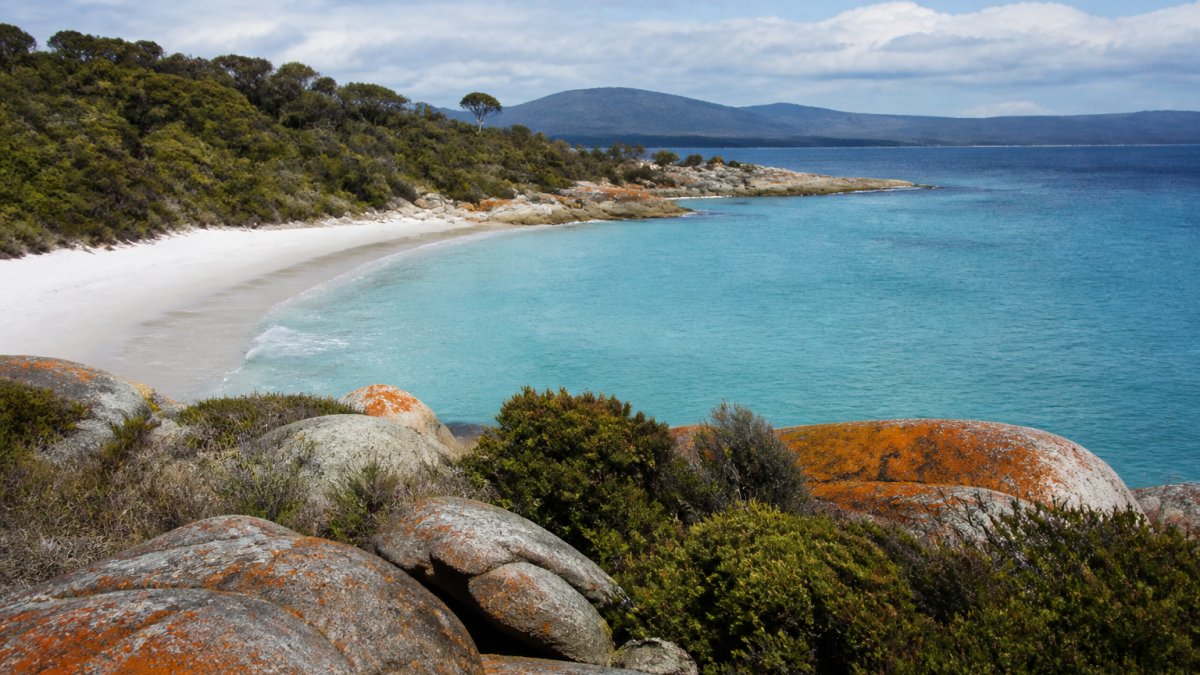
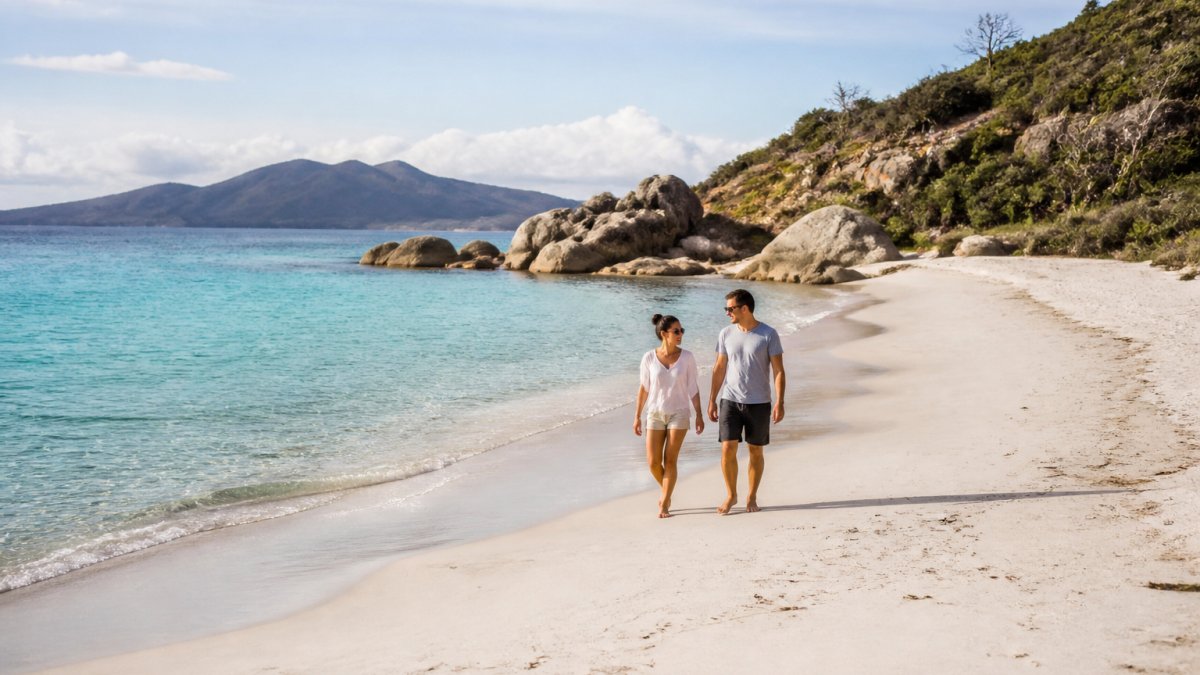
The best secluded coastline sits on the East Coast and the far south, where long beaches meet cold, clear water and very few people.
Freycinet National Park holds Wineglass Bay, and the walk to the lookout is famous for good reason. But the quiet beaches nearby reward the people who keep driving.
Quiet Coastal Stops Away From the Crowds
- Bruny Island’s south end: long empty beaches, cool climate and big surf.
- The far south coast: wild, cold and almost deserted outside summer.
- East Coast bays north of Freycinet: easy access, low crowds, good swimming on calm days.
A private guide knows which bays work on which tide and wind. That saves you a wasted morning. It also keeps you off the busy car parks at peak times.
Waterfalls, Caves and Wetlands Worth the Detour
The best waterfall and cave stops sit inland, where the road narrows and the forest closes in. Hastings Caves, south of Hobart, adds a guided cave tour and warm thermal springs nearby (Hastings Caves and Thermal Springs).
Each one rewards an early start. Mist sits in the valley, the light is soft, and the car park is empty.
- Liffey Falls: short walk, big reward, good in wet months.
- Russell Falls: easy track, family friendly, busy by midday.
- Hastings Caves: book the cave tour ahead, then soak at the springs.
Check track closures before you go. Wet weather can shut walking tracks and cave tours with little notice, and a local guide will have a backup plan ready.
Scenic Hikes and Walking Tracks for Early Starts
The best hikes start before the crowds arrive, and that means a 7am departure. Cradle Mountain’s Dove Lake circuit and the Hartz Peak track both reward early risers with still water, clear air and empty tracks.
Walking tracks here range from 30-minute strolls to full-day climbs. Match the track to your group’s energy and the weather. A guide can read both.
- Easy: Russell Falls, the Liffey Falls track, short coastal walks.
- Moderate: Wineglass Bay lookout, Dove Lake circuit.
- Hard: Hartz Peak, longer Cradle Mountain routes.
On a private day, we often walk one track in the morning and save the afternoon for a winery or a lookout. That mix keeps everyone happy, including grandparents and kids.
Tasmania Private Tours: How They Open Up Secluded Places
A private tour earns its keep on this island by solving three problems that a fixed itinerary cannot: access, timing and contingency. The places below are the ones where those three things decide whether you get a quiet experience or a crowded one.
Secluded alternatives to the bucket-list stops
The trick is not to skip the famous places entirely but to pair each one with a quieter neighbour and visit in the right order.
- Instead of only Wineglass Bay lookout: walk the lookout early, then drive on to Sleepy Bay and Honeymoon Bay, where the granite and blue water are just as striking and the car park is a fraction of the size.
- Instead of Cradle Mountain at midday: do the Dove Lake circuit at first light, then use the middle of the day for the quieter western walks or a scenic drive, when the shuttle queues build.
- Instead of Port Arthur in a coach window: book a guided walk first thing, then spend the afternoon on the Tasman Peninsula’s quieter coastal tracks and lookouts.
How timing changes the experience
Crowd levels here follow a predictable pattern. The main lookouts and cave tours fill from mid-morning to mid-afternoon in summer, and the ferry and shuttle services carry the bulk of visitors in that window.
Tides and weather matter just as much. Many East Coast bays are best at low tide and unpleasant in a fresh westerly. Waterfall tracks are at their best in wet months but can close after heavy rain.
What flexibility actually buys you
- A backup plan: if a track is shut or the weather turns, the day moves to a cave tour, a cellar door or a sheltered bay instead of ending early.
- Access knowledge: which gravel roads suit a standard vehicle, where parking is limited, and which gates or private land need permission.
- Booking leverage: cave tours, tastings and guided heritage walks booked ahead so you are not queuing or missing out.
Ask any private operator two questions before booking: which specific places will we visit, and what is the backup plan if the weather or a track closure changes the day. A good answer names places and alternatives, not just a vehicle type.
Private Day Tours Tasmania: Costs, Logistics and Booking
Most operators do not publish fixed private-tour rates because the day is built around distance, group size and inclusions. Expect a quote rather than a menu, and ask what sits inside it.
Access and logistics by place type
- Secluded beaches and bays: usually a sealed road to a gravel car park, then a short walk. Check tide and wind. Some East Coast bays are best at low tide; a fresh westerly can make an exposed beach unpleasant even on a warm day.
- Waterfalls and caves: Liffey Falls and Russell Falls are short, well-formed walks from a car park. Hastings Caves involves a guided tour that should be booked ahead, with thermal springs nearby. Tracks can close after heavy rain, so check park alerts the day before.
- Scenic hikes: ranges from 30-minute strolls to full-day climbs. Match the track to the group’s fitness and the forecast. Early starts matter most at Cradle Mountain and Freycinet, where car parks and shuttle queues build from mid-morning.
- Heritage and wildlife: Port Arthur rewards a guided walk and a slow visit; wildlife viewing is best at dawn and dusk, which shapes how the day is ordered.
Road conditions and vehicle choice
Most of the places in this guide are reachable in a standard vehicle. Gravel roads are common on the West Coast and in parts of the Central Highlands, and they demand slower speeds and care after rain. Remote areas have limited fuel and phone coverage, so plan refuelling and tell someone your route. A 4WD is rarely essential for the headline stops but helps on rougher access roads and in winter conditions.
Booking windows and best times
- Cave tours and guided heritage walks: book ahead in summer and school holidays.
- Cellar doors and tastings: book ahead for groups and weekends.
- National park walks: no booking needed, but start early to avoid the busiest hours.
- Ferries and shuttles: allow extra time in peak season and check the day’s timetable.
| What you’re planning | Best time to go | Book ahead? | Access notes |
|---|---|---|---|
| Secluded beaches | Early morning, low tide | No | Check wind and tide; short walk from car park |
| Waterfalls and caves | Morning, wet months | Yes for caves | Tracks can close after rain; check park alerts |
| Scenic hikes | 7am start | No | Match track to group; early start avoids queues |
| Heritage sites | First guided walk of the day | Yes for guided tours | Allow a slow visit |
| Food and wine stops | Afternoon | Yes for tastings | Book cellar doors; arrange a non-drinking driver |
Do not assume a famous lookout means a quiet day. In summer, the main car parks fill from mid-morning and shuttle queues build. Start early, book a private guide, or pair the headline stop with a quieter alternative nearby.
Wildlife, Heritage and Food and Wine Along the Way
Wildlife and heritage sit close to the coast and the wine country, so a private day can fold both into one route. Dawn and dusk are the best times to spot wildlife, including the Tasmanian devil at a conservation park.
Then there’s the food and wine. The Coal River Valley near Hobart is packed with boutique wineries, vineyards and a distillery or two.
- Wildlife: dawn or dusk, conservation parks, quiet roads.
- Heritage: Port Arthur, historic sites, guided walks.
- Food and wine: Coal River Valley wineries, local produce, distillery tastings.
Tasmania Local Guides: What Genuine Local Knowledge Buys You
Tasmania local guides turn a good trip into a great one, because they know the island beyond the guidebook. They know which beach is sheltered when the wind swings west.
That knowledge is the difference between a day that runs smoothly and one spent guessing. It also means you visit responsibly. A good guide keeps you on marked tracks, respects wildlife, and avoids overloading the secluded spots that make this island special.
The real value of a private guide isn’t the car or the comfort. It’s the local knowledge that gets you to the quiet places at the right time, and keeps the day stress-free when plans change.
Frequently Asked Questions
What are some hidden gems to visit in Tasmania?
Look beyond the headline stops. Quiet coastal bays on the East Coast, lesser-known waterfalls such as Liffey Falls, the wetlands and caves around Mount Field and Hastings Caves, and the walking tracks near Hartz Peak all see far fewer visitors than Wineglass Bay or Cradle Mountain. The trick is timing: arrive early, avoid peak summer weekends, and pair each stop with a local guide who knows which tracks and lookouts stay quiet on any given day.
Can you explore Tasmania with a local guide?
Yes, and it changes the trip. Tasmania local guides know which walking tracks drain well after rain, which cellar doors suit a leisurely lunch, and which lookouts are worth a detour at sunset. A private guide also handles the driving on winding rural roads, so you can enjoy a boutique winery tasting in the Coal River Valley without worrying about the return leg. Ask ahead about guide specialisms, whether that is wildlife, heritage or food and wine.
How much do private day tours in Tasmania cost?
Pricing for private day tours Tasmania wide depends on group size, distance covered, and the season. Because every itinerary is built around your interests, there is no single published rate. The most reliable approach is to outline your must-sees, group size and dates, then request a quote directly so the cost reflects the actual day you want.
How many days do you need to explore Tasmania’s hidden gems?
Five to seven days lets you cover a region properly without rushing. Three days suits a single base such as Hobart and the Coal River Valley; a week opens up the East Coast, Freycinet National Park and the Central Highlands. Private day tours work well as anchors, with self-drive days in between. Build in a spare day for weather, since walking tracks and coastal lookouts can close after heavy rain or fire danger.
Planning a private day around quiet beaches, early hikes and local food takes local knowledge and a flexible schedule. VIP Tassie Experiences builds bespoke private day tours with local guides, spacious modern vehicles and itineraries shaped entirely around your interests, with no crowded buses and no rigid timetables. Tell us what you want to see and we’ll design the day around it. Book your tour and see the island at your own pace.


Experiences
Book a Tour
Plan your tailored Tasmanian journey with ease—reserve your private tour today.


